


Nowa sztuka autorstwa Luc Albinski
Reżyseria: Ilina Perianova
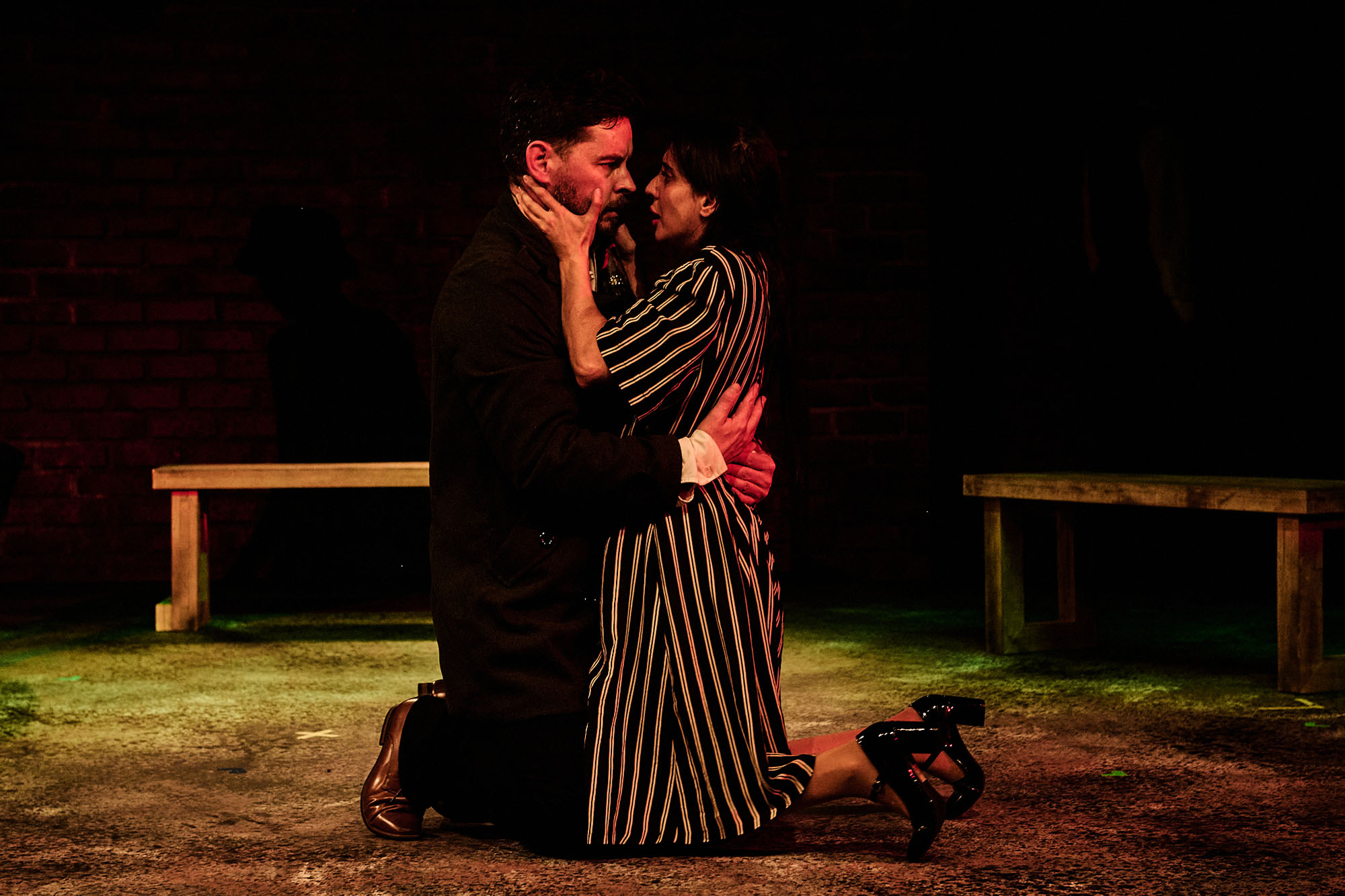
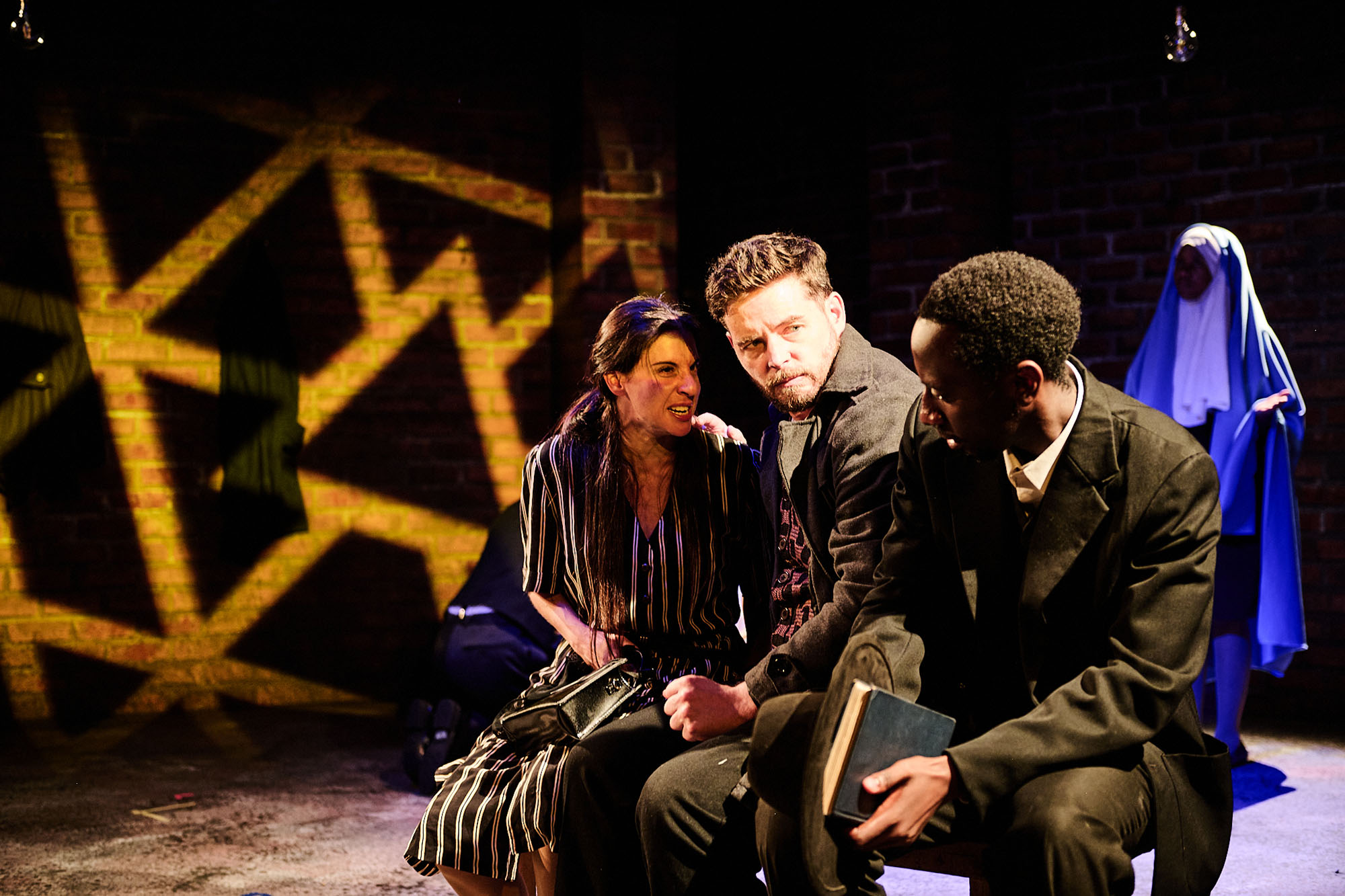
Ukryta przeszłość matki i determinacja syna, by ją odkryć, zapoczątkowują podróż do serca warszawskiego podziemia medycznego z czasów wojny, gdzie miłość, obowiązek i walka o przetrwanie zderzają się w sposób, o którym historia nigdy nie opowiadała.
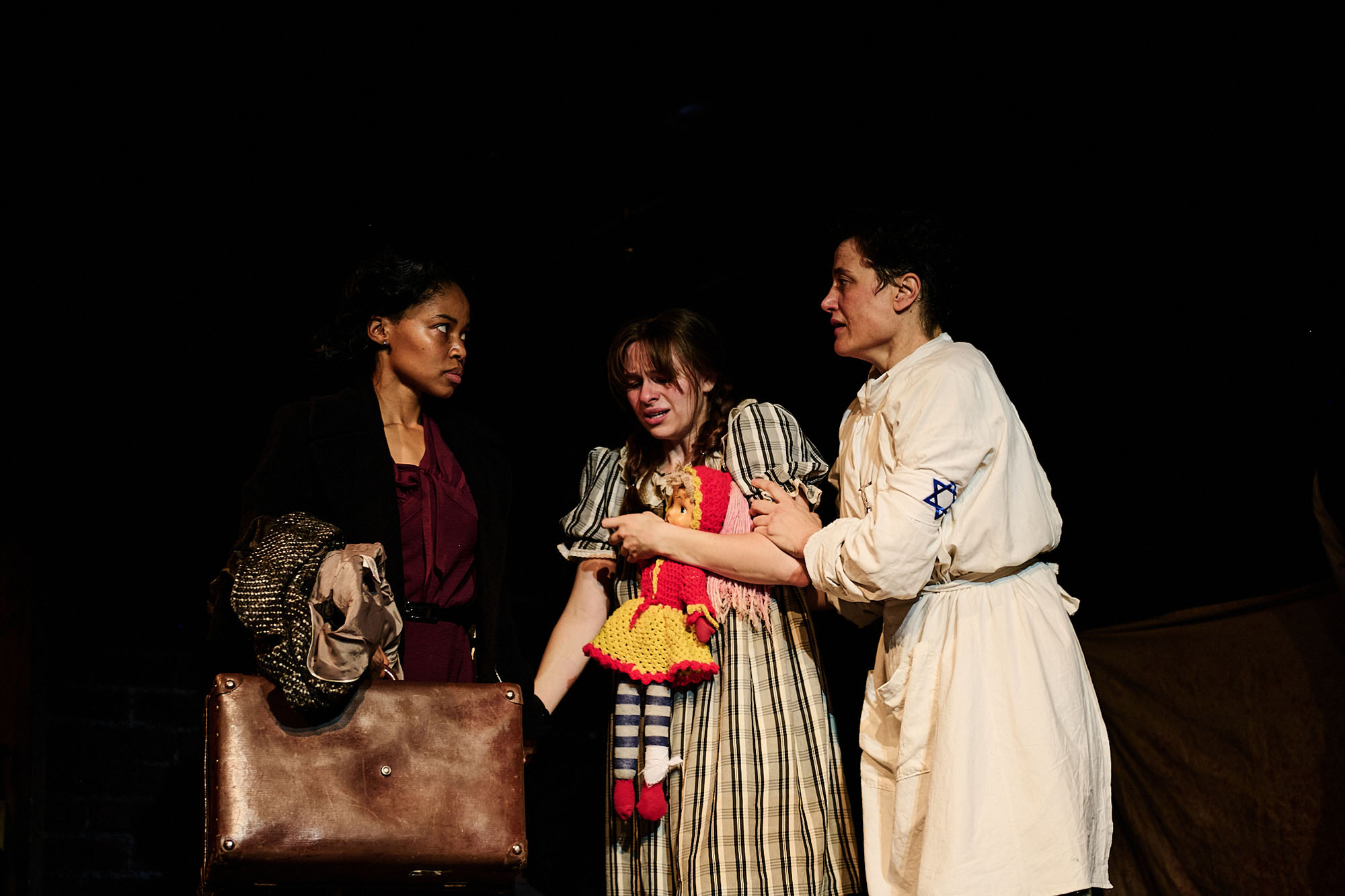
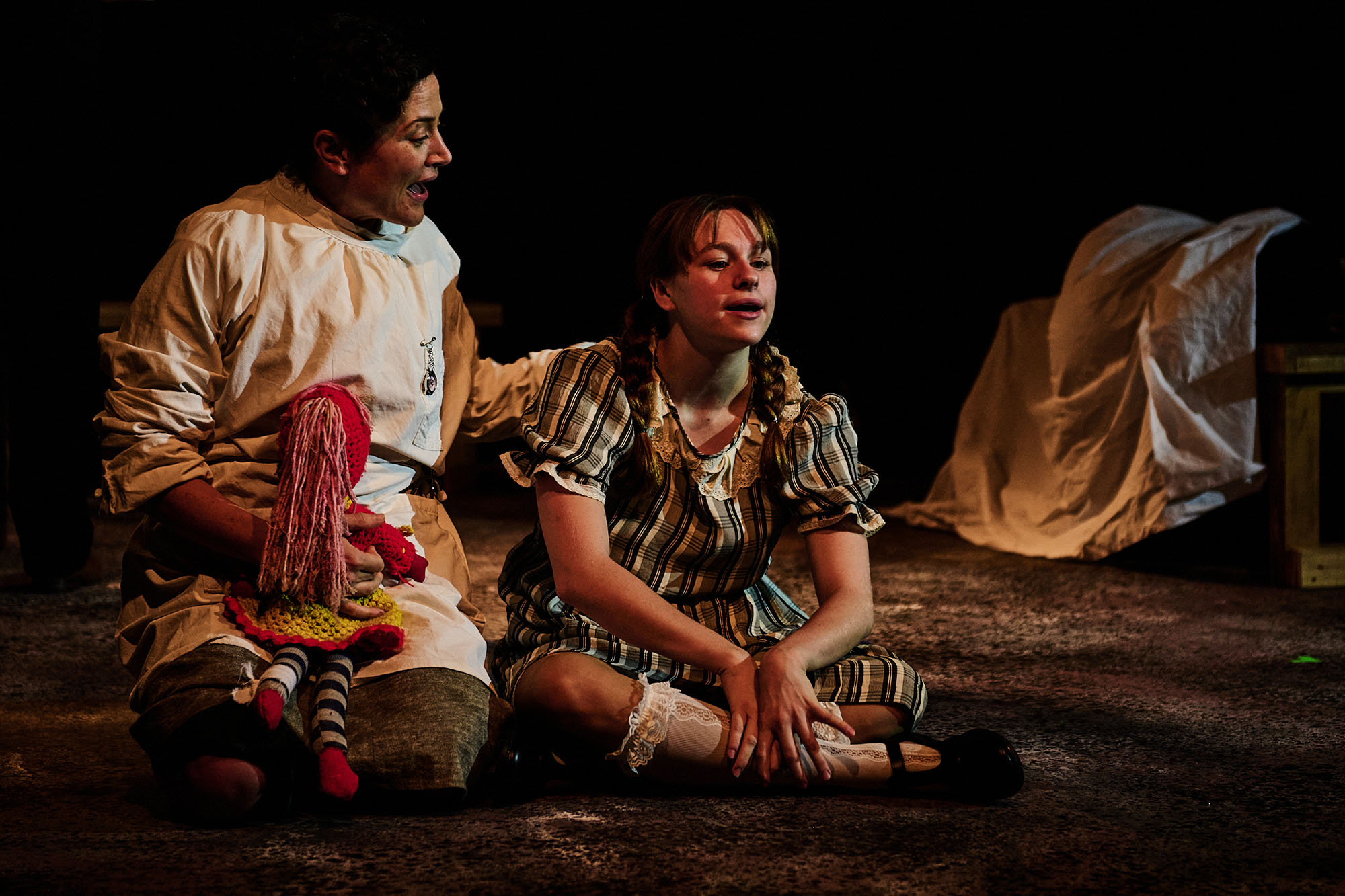
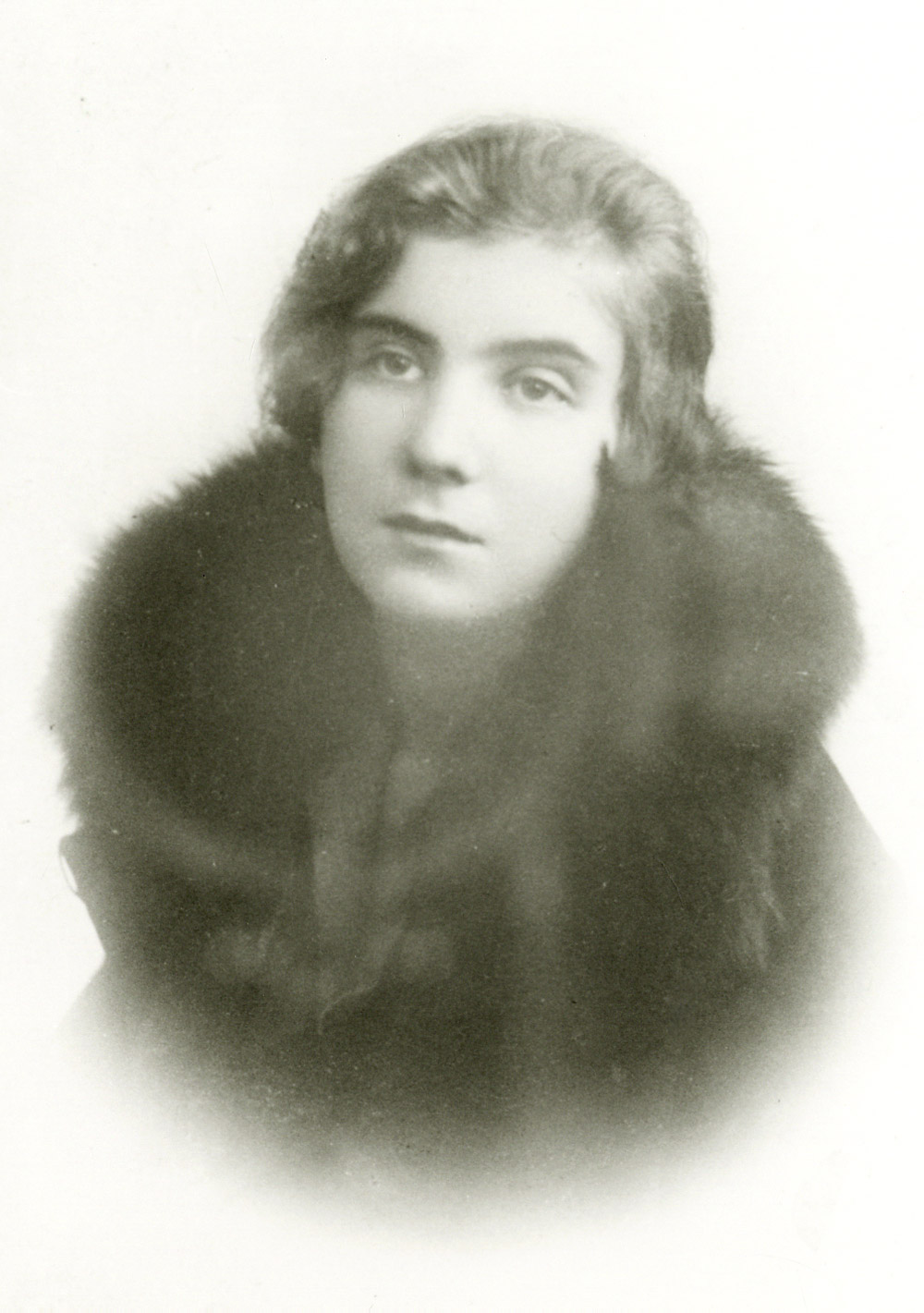
Nikt mi nie powiedział to poruszający, intymny dramat inspirowany prawdziwym życiem dr Haliny Rotstein, żydowskiej lekarki pracującej w szpitalu „Czyste” w warszawskim getcie, oraz wspomnieniami z dzieciństwa jej córki, Wandy. Opowiadana z perspektywy osiemdziesięcioletniej Wandy i jej syna Luca sztuka przeplata współczesne rozmowy z pełnym napięcia światem Warszawy lat 30. i 40., gdzie krąg młodych lekarzy znany jako „Talmidim Haliny”, czyli uczniowie Haliny, zmaga się z miłością, idealizmem, złamanymi lojalnościami i niemożliwymi wyborami.
Sztuka nie odtwarza historii niczym muzealnego eksponatu. Zamiast tego odsłania prywatny, emocjonalny wymiar kryjący się za oficjalnym zapisem: szeptane rozmowy telefoniczne prowadzone przez mur getta, kruchą normalność, którą matki tworzyły dla swoich dzieci, oraz moralne zmagania lekarzy zmuszonych wybierać między pacjentami, rodziną a własnym sumieniem.
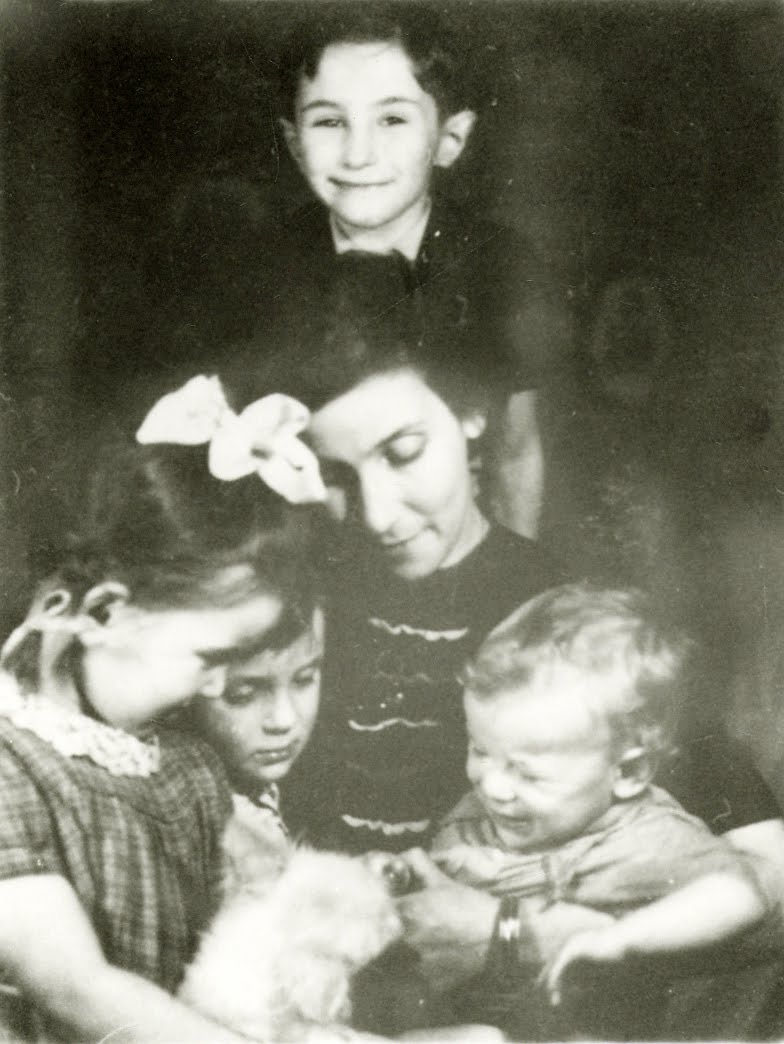
Nikt mi nie powiedział śledzi rozmowy między Wandą, obecnie osiemdziesięciolatką, a jej synem Lucem, który pragnie zrozumieć historię rodziny, którą matka skrywała przed nim przez dziesięciolecia. W trakcie rozmów powracają fragmenty dzieciństwa Wandy, przenosząc nas do Warszawy lat 30. i 40. XX wieku oraz do jej matki, dr Haliny Rotstein, żydowskiej lekarki pracującej w szpitalu „Czyste” na terenie warszawskiego getta. Najbliższymi przyjaciółkami Haliny byli koledzy po fachu, których poznała na uniwersytecie. Nazywali się „Talmidim Haliny”. Ich coroczne spotkania w kawiarni „Sztuka” odzwierciedlają zmieniający się nastrój w kraju, gdy Polska przechodzi od nadziei okresu międzywojennego do strachu, okupacji i straty. W obozie grupa staje przed wyborami, na które nie ma dobrych odpowiedzi: pacjenci, których nie mogą uratować, granice, których nie mogą przekroczyć, oraz ciągła presja, by pozostać ludźmi, gdy otaczający ich świat jest czymś zupełnie innym.
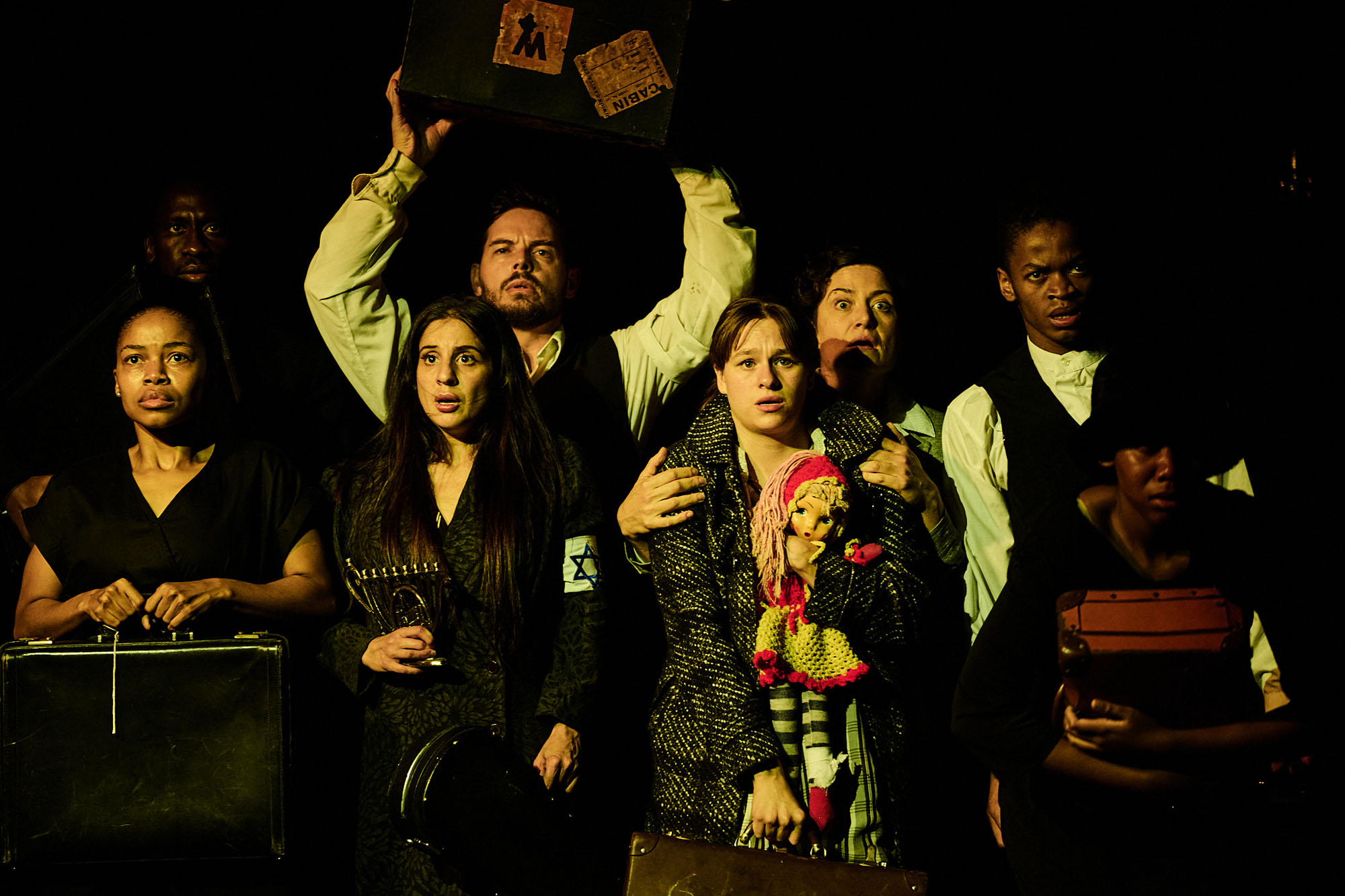
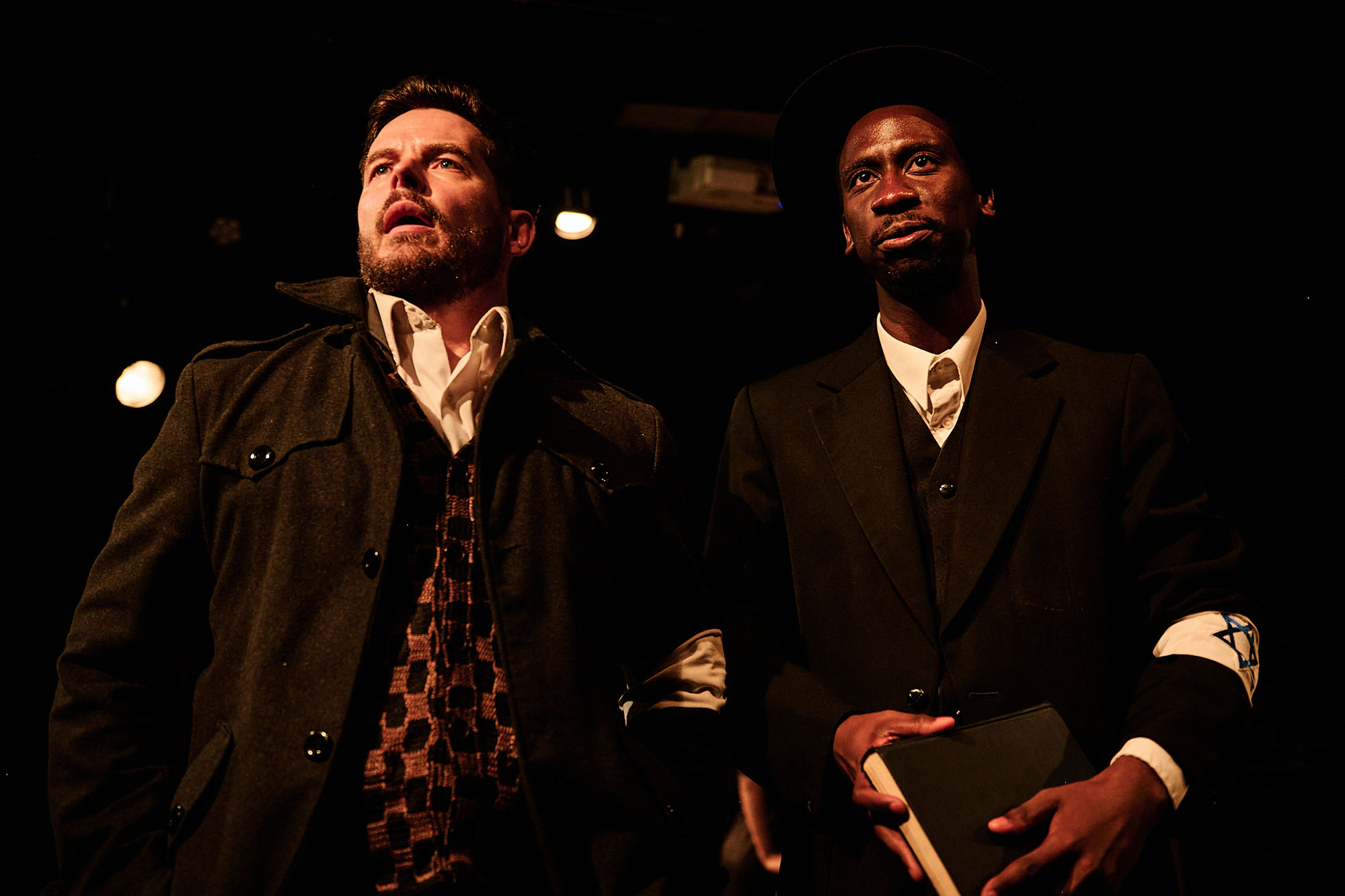
„ NIKT MI NIE POWIEDZIAŁ to surowa, przemieniająca podróż przez rozdarte tożsamości osób dotkniętych wojną. Czerpiąc z konwencji postbrechtowskich i instynktownej mocy teatru fizycznego, spektakl ten znosi granice między aktorem a postacią, przeszłością a teraźniejszością. Scena staje się żywym płótnem, na którym głosy, ciała i minimalistyczna scenografia zderzają się, by obnażyć dehumanizującą siłę konfliktu i kruchą odporność ludzkiego ducha.
Aktorzy przez cały czas pozostają na scenie, na naszych oczach przeobrażając się w dusze zapomnianych. Niosą ciężar traumy, ale także możliwość uzdrowienia — święty akt dawania świadectwa we wspólnej przestrzeni teatru.
Dzięki muzyce Jeanne Zaidel-Rudolph, choreografii Vicky Friedman oraz scenografii Wilhelma Disbergena i Gwendi Gourley spektakl „ NIKT MI NIE POWIEDZIAŁ” to coś więcej niż tylko sztuka teatralna. To zanurzenie się w tym, o czym się nie mówi, konfrontacja z tym, co odbiera wojna, oraz świadectwo tego, co sztuka może przywrócić.
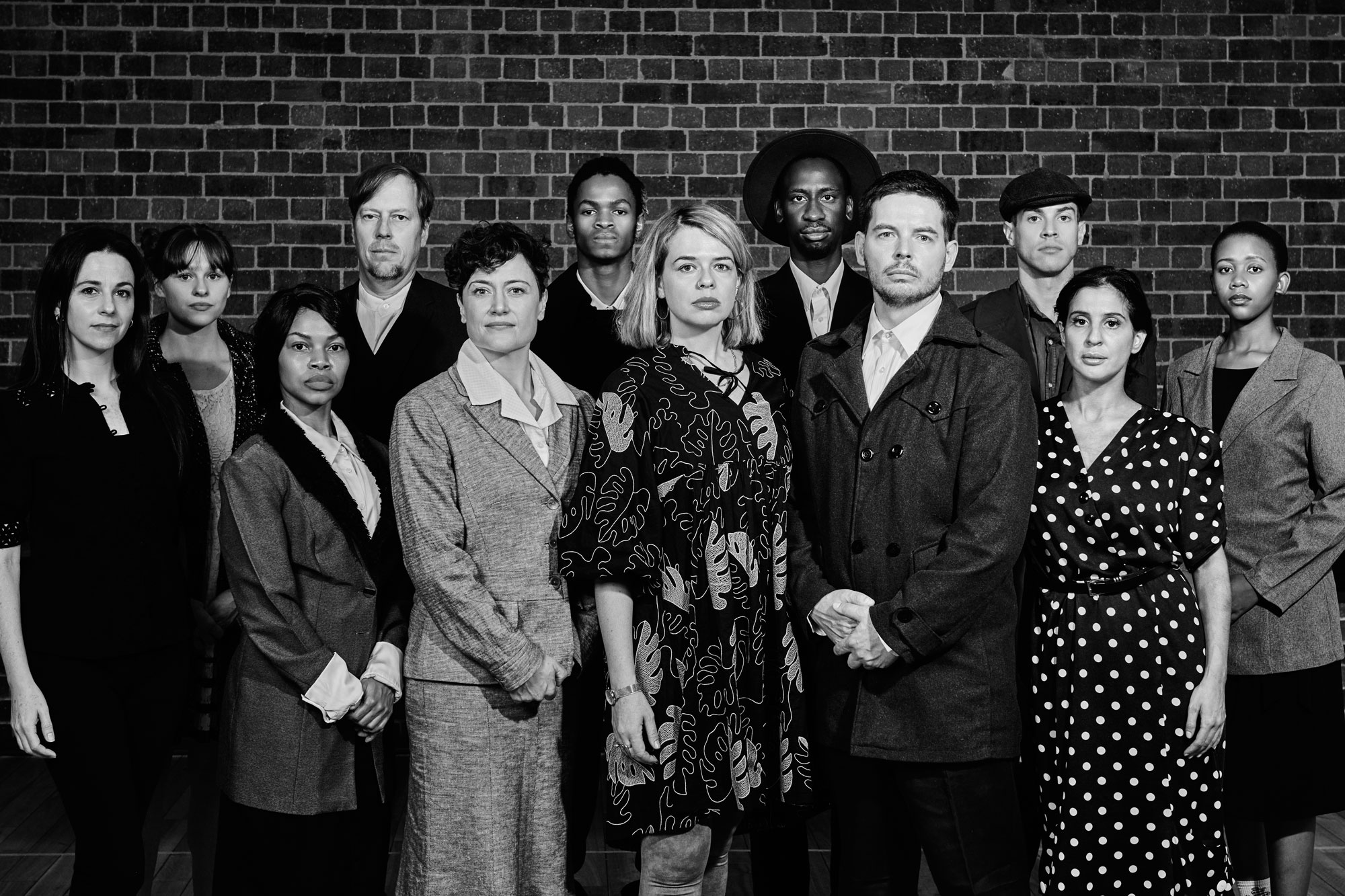
Co krytycy mówią o Nikt mi nie powiedział
— Tamsen Saayman, Psychologist
He grew up Catholic, certain of his place in the world, until in his twenties he learned that a central part of his identity had been deliberately withheld. He was Jewish, a truth his mother had buried because naming it once meant danger, and later meant complication. Nobody Told Me is the artistic work that emerged from that late revelation. It is not autobiography on stage. It is the reckoning that followed: what it takes to metabolise the truth of a family history that survived only as secrecy.
The play returns to the Warsaw Ghetto, where Dr Halina, the playwright’s grandmother, was a physician. Instead of re-staging historical sequence, Nobody Told Me enters the moral terrain inside it: the impossible medical decisions forced on those who insisted on healing when everything around them was engineered for destruction. The focus is not reconstruction for spectacle. It is the psychological and ethical weight of choosing to keep others alive within a system designed for erasure. Dr Halina remained committed to medicine at cost to herself. Her daughter was moved out of the ghetto for safety — the girl who later became the mother who raised her son Catholic to protect him from the same danger she once lived inside. This is the lineage the playwright inherited without narrative to go with it.
The work arrives at a time when religious identity is again fuelling division and suspicion globally and locally. Antisemitism has surged. So has religion-based contempt more broadly. Identity has become a shorthand for threat, allegiance, moral certainty. And this play arrives with a difficult contemporary question: how can we believe we know who to hate, who to fear, who to categorise when so many people don’t even fully know who they are? When parts of identity can be amputated for survival and passed down as silence?
After several South African Directors declined the opportunity, a Bulgarian Jewish director whose body of work is defined by fearless creative experimentation in film and theatre alike, was chosen. That reluctance is not incidental. It reveals something essential about the work itself: the psychological force of this history is not only backward-looking. It still exerts pressure. It still shapes where we are unwilling to look.
The emotional labour embedded in the writing is evident not in confession, but in restraint. The play does not sensationalise pain. It attends instead to what it means to honour a history that was never permitted to be spoken. In that sense, Nobody Told Me is more than dramatic work; it is an act of ethical acknowledgement: a son making space for a lineage that was silenced because silence once protected life.
Silence of this kind does not simply expire. It leaves a charge in the system. Even when historical facts are suppressed, they continue to shape behaviour, relationship and emotional atmosphere across generations. Nobody Told Me does not claim that naming truth resolves the past but it insists that telling the story matters because not telling it has consequences. And in a world still organised around inherited suspicion and religious certainty, the play suggests that art may be one of the few remaining spaces where we can metabolise what was forbidden to speak – where memory can become meaning, and where meaning can become a form of justice.
When what was buried can finally be spoken, people stop defending and can begin thinking and dialogue becomes the only thing that interrupts repetition.
— Les Morison, Poet
I first met Luc as the father of three. All of his children are grown but we have stayed friends, perhaps unusually. Somewhere in the exchange of information between friends I learned of his history, his family history. I could not believe my ears, here was a man younger than me living in the 21st century, his mother a holocaust survivor. His grandmother was a doctor in the Warsaw ghetto, scene of heroic resistance to the Nazis. And then the most shattering of all, his grandmother had sent her children out of the ghetto and got onto the train to Treblinka with her patients. Luc‘s mother had raised him a Catholic and only when he arrived in Poland in his 20s and met cousins did he learn of his heritage.
Understandably, this changed his perspective on himself, his family and the world, permanently. We, South African audiences are incredibly privileged to share the fruits of the passion that he has poured into the insights and reflections that were born of his process. He has converted it into a finely human play that captures so many themes that resonate today.
I have attended a rehearsal and I have seen the young actors from across the South African spectrum moving vigorously about the stage, working to articulate with clarity, I have seen the strength of the lead character’s acting ability, the original staging and interpretation that the Bulgarian director, Iliana, has brought to bear on the material to give it life. It is very different to the usual fare of the Sandton Theatre on the Square. Luc has been guided through innumerable drafts by English and South African playwrights and it shows in the deeply thought through dialogue and action. It reveals the kind of thing you see in Montecasino to be the frippery that it is, and is a welcome break from the superannuated protest theatre that the Market Theatre continues to pour out. This is theatre at its most inspiring.
— Stephen Laufer, Communications advisor and former journalist
I found your play by turns very moving, insightful, and unsentimental. The last because it didn’t look for happy endings, instead not flinching away from the fact that there simply couldn’t be any, given the circumstances.
The director did a really very good job, I thought, creating an atmosphere which entirely drew one in. And the actors were excellent. I thought the young woman who played your mother was particularly good, both as a little girl and as an old lady. She really observed your mom well.
Thanks for this, its an important addition to our collective understanding of a most significant moment in history which is still with and in us.
— Darren Bassarabie, Psychologist
Luc that was astoundingly brilliant. So deeply profound.
The words and the dialogue was hauntingly moving. It captures something beyond words actually.
And choreography was something magical, and the actors carried it out with magnificence. They captured and conveyed the essence of what you wanted to achieve. Luc how absolutely beautiful!
— AJ Opperman, Arts & Entertainment Journalist at Netwerk24
Such a great play. Damn, it really moved me. And from an artistic point of view it is so stimulating. There is so much imagination used. And visually is also very symbolic.
— Theatregoer
I’ve just gotten home from a really moving show which I recommend everyone to see. Not only is it so emotional, but the acting was excellent, as was the creativity.
We were invited to attend because we know the writer, but I’m so glad I went and I think it’s so important. It was the opening night, so there was a panel after the show and something very touching was said:
“Remembering is not only healing, it’s also justice…”
We have a responsibility as Jews, especially in today’s times, to keep listening to the stories and keep talking about them, so that in a way, justice can be served.
And this show was more than just listening and hearing the stories. It was feeling. It left such an impact.
We need to keep the memories alive so we understand and remember what can happen, and so we can ensure “NEVER AGAIN”.
— Gillian Anstey, Journalist
I particularly liked Nobody Told Me at the Theatre on the Square, Sandton because of its staging, which was the very reason why some others didn’t enjoy it. A debut play by Luc Albinski, who wanted to tell a story that impacted his life, and directed by Ilina Perianova, who as far as I know but could be wrong came from Bulgaria to direct it – she had started working on a possible screenplay of the story previously – it doesn’t present a hyper-realistic portrayal. As in it’s no kitchen-sink drama, thank goodness. Renos Nicos Spanoudes is the assistant director. Most of the cast of 10 play multiple characters or furniture, such as windows, and move benches around to create certain settings and hold up cut-outs to depict windows and such like in a set designed by Wilhelm Disbergen. A few times an actor steps to the side of the stage to modern-day Joburg to depict the playwright in conversation with his mother, a device which depicts the making of the play. The rest is set in Poland during WWII. The casting is something we don’t often see, where a group of actors play characters even if they don’t sound or look like them. So a multiracial cast, a very strong cast I might add, with tinges of Afrikaans accents, play characters from Jew-catchers to Jewish doctors living in a Polish ghetto. In such an ensemble piece I am obviously hesitant to name specific actors but two who don’t swop roles in the production, Liezl De Kock, as the almost annoyingly too-devoted medical doctor and Jade Scheepers as her daughter are among the characters that stand out because of their dominance. De Kock, in particular, gives a hauntingly nuanced portrayal.
One of the strongest features of this production is the music. It is extraordinary, inspired at times by well-known Yiddish or possibly liturgical melodies, and composed by the legendary Jeanne Zaidel-Rudolph. At the performance I attended it was played far too loudly but that can easily be corrected.
This production is fresh in its approach of events that took place many years ago but resonant intensely today. Hat’s off to the two directors, the cast, the composer and the designer.
The main distraction is the length. It could and should be trimmed by at least 20 minutes. And as this season of Nobody Told Me is so short that it feels like a trial run – it is on until February 7 – perhaps the declamatory style of the opening poem could be reconsidered.
According to Webtickets, the season is sold out. Perhaps it is worth contacting the theatre itself to see if there are cancellations.
— Bruce Dennill, Arts and entertainment writer
Nobody Told Me is a story where the source material is soul material: playwright Luc Albinski’s mother (Wanda, now in her Eighties) and grandmother (Halina) lived in Warsaw before and during the Second World War, with Halina being a wartime doctor, devoted to her traumatised and injured patients – to some degree at the cost of a close relationship with her daughter.
The complexities of Halina and Wanda’s story, taking in the 1930s and the war and a context involving several other individuals, Warsaw’s Jewish community and Nazis on achieving a Final Solution, make for sometimes convoluted storytelling.
Bringing all of this stage is, understandably, a challenge, and a committed cast of ten are tasked with covering a number of bases, with every actor bar Liezl de Kock as Halina playing a number of different roles, including playing items of furniture (one of a number of aspects of post-Brechtian performance techniques included in the direction).
On one scene, real-life events taking several years – such as the tradition of a number of friends and doctors known as ‘Halina’s Talmidim’ (or disciples) meeting once a year at the same bar to toast whatever is most important in that instant – are compressed into one sequence hyphenated by slowed-down interludes in which the actors say “tick-tock” to show the passing of time. Another idea sees Albinski (played by Damon Berry) inserted into the action discussing how he’s telling the story in real time, which allows for the introduction of different locations that might otherwise be difficult to refer to easily in the course of the action. Elsewhere, large segments of dialogue are entirely expository, with a ‘conversation’ being used to elaborate on what action might’ve just taken place or that might be coming up. That helps, to some degree, to bring in details and scope that a theatre stage can’t physically encompass, but it has the effect of making the dialogue sound unnatural which, added to the stylised physical theatre scenarios, makes the characters relatively difficult to engage with as individuals. This in turn means that the story’s milieu – World War Two and the epoch-defining prejudice and violence that came with it – perhaps does most of the work in terms of communicating the trauma the characters experience.
The cast do well to hit the multitude of marks that come with creating and inhabiting rapidly changing sets and locations on (and sometimes off) stage, with quick changes meaning one actor can be a Nazi soldier, then an injured Jewish hospital patient and then a lamp, all in successive short scenes. De Kock gives Halina the gravitas the character requires, helping to suggest the nobility of dedicating her life to her calling while also showing how painful that is for her daughter, whose upbringing is largely left to friends and colleagues. Dihan Keun also brings admirable intensity to his multiple roles and Aimèe Mica Komorowsky delivers, in her character Ela, the counterpoint to Halina’s obsessive ardor – a broken, drug-addicted struggle with a situation nobody should have to face.
The individuals depicted in Nobody Told Me deserve the honour of all the effort put into bringing their story to the stage, a labour of love that is moving in itself. The work of assistant director Renos Spanoudes, choreographer Vicky Friedman and set and lighting designer Wilhelm Disbergen contributes greatly in this regard.
— Douglas Mason, Daily Maverick
Your parents, some discover, do not always tell you the truth. And most often for good reason.
This beautiful new play, Nobody Told Me, now at Theatre on the Square in Sandton, covers gripping material that takes us from contemporary South Africa to Poland and the Warsaw Ghetto in 1940 where 400,000 Jews, confined by the Nazis, struggle to survive while gradually being shipped out to the death camps.
Among them is a young girl, Wanda, longing to remain by the side of her mother, a medical doctor, who chooses to serve her community and, ultimately, face death, while her daughter is spirited away and raised a Christian.
Along the way in this production, we find a young man in Johannesburg, raised Polish Catholic, discovering that his mother is Jewish and that his grandmother was the courageous medical doctor, Halina Rotstein.
The play is written by Luc Albinski, and on opening night, his mother – the real Wanda – is in the front row.
Themes of noble service, betrayal, humour and horror unfold as time-travelling narration moves from contemporary Johannesburg and the elderly Wanda to 1940s Warsaw and her six-year-old self, slowly losing her mother and Jewish faith and adopting, on pain of death, quite literally, a new identity as a Christian.
The play opens in prewar Warsaw, following a group of young medical doctors at the start of their careers, confident, ambitious and full of life. Their days are marked by professional pride and optimism, even as political tensions quietly build. The arrival of World War 2 is kept offstage, suggested through the encroachment of German and Soviet forces from opposite sides of Poland.
As violence and persecution unfold, people cling to routine and fragments of normal life, sometimes in denial, sometimes paralysed by fear. Tragedy and suffering exist alongside the ordinary rhythms of daily life, revealing how catastrophe often advances not in a single moment, but through continuation.
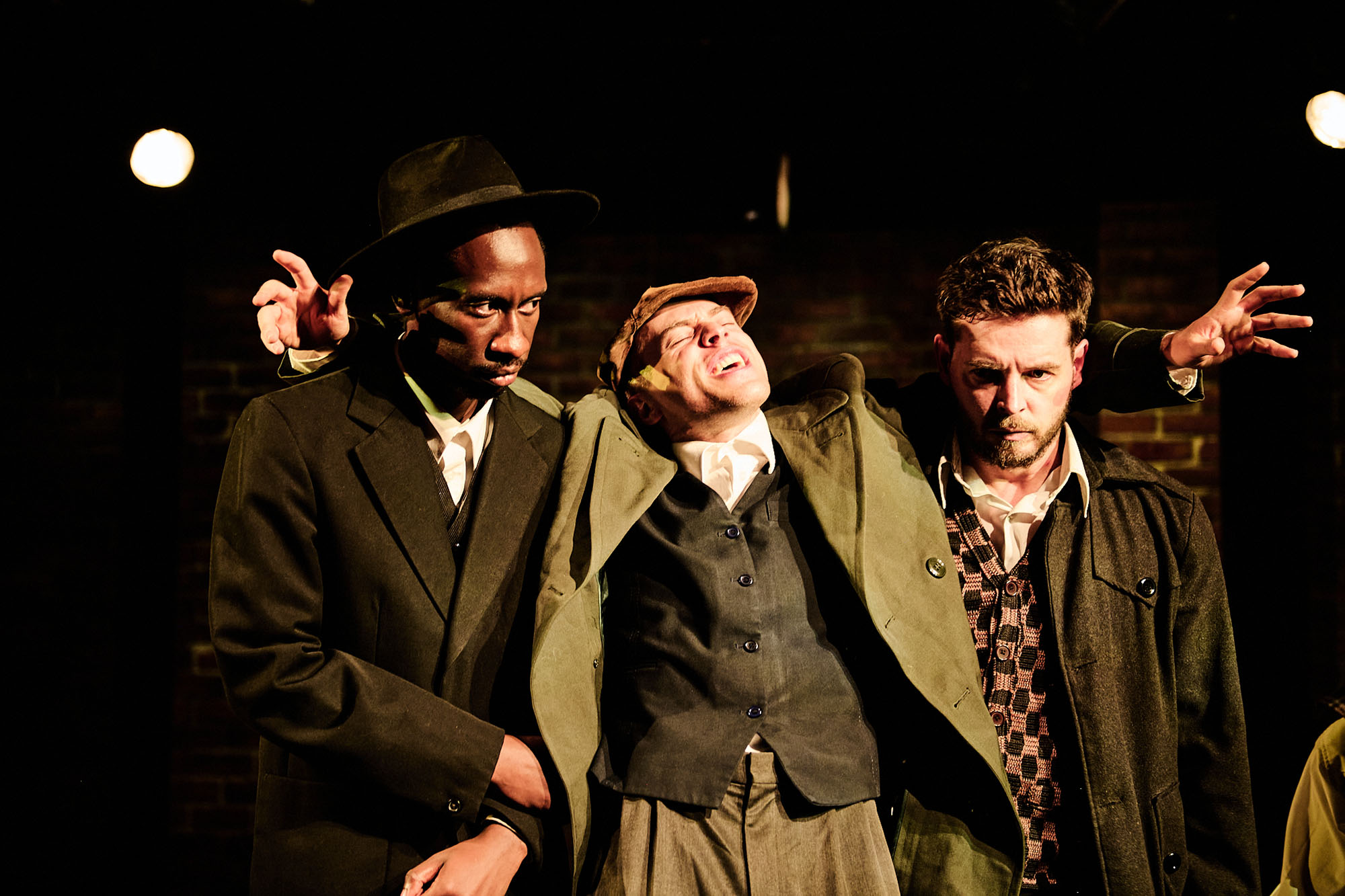
Dr Halina and her Jewish colleagues are moved to the ghetto. Others desperately attempt to hide their identity and blend in with Polish society. Neighbours betray neighbours. A Jew-hunting gang of Poles, led by the embittered character, Kacper, ably played by actor Dihan Keun, extorts or turns in Jews for monetary gain, including the people who are his prewar social betters.
When war and disorder descend, the person who kills or betrays you is most likely to be someone you know.
Inside the ghetto, terror takes hold. Dr Halina continues her medical work at Czyste Hospital, caring for the sick and bound by her Hippocratic Oath, even as the walls close in. Jewish police, recruited by the Nazis and forced to meet quotas under threat of having their own families deported or killed, attempt to arrest the young Wanda. She is to be taken to the railway station, from where people are transported to the Treblinka death camp, deep in the forest, about 80km outside Warsaw.
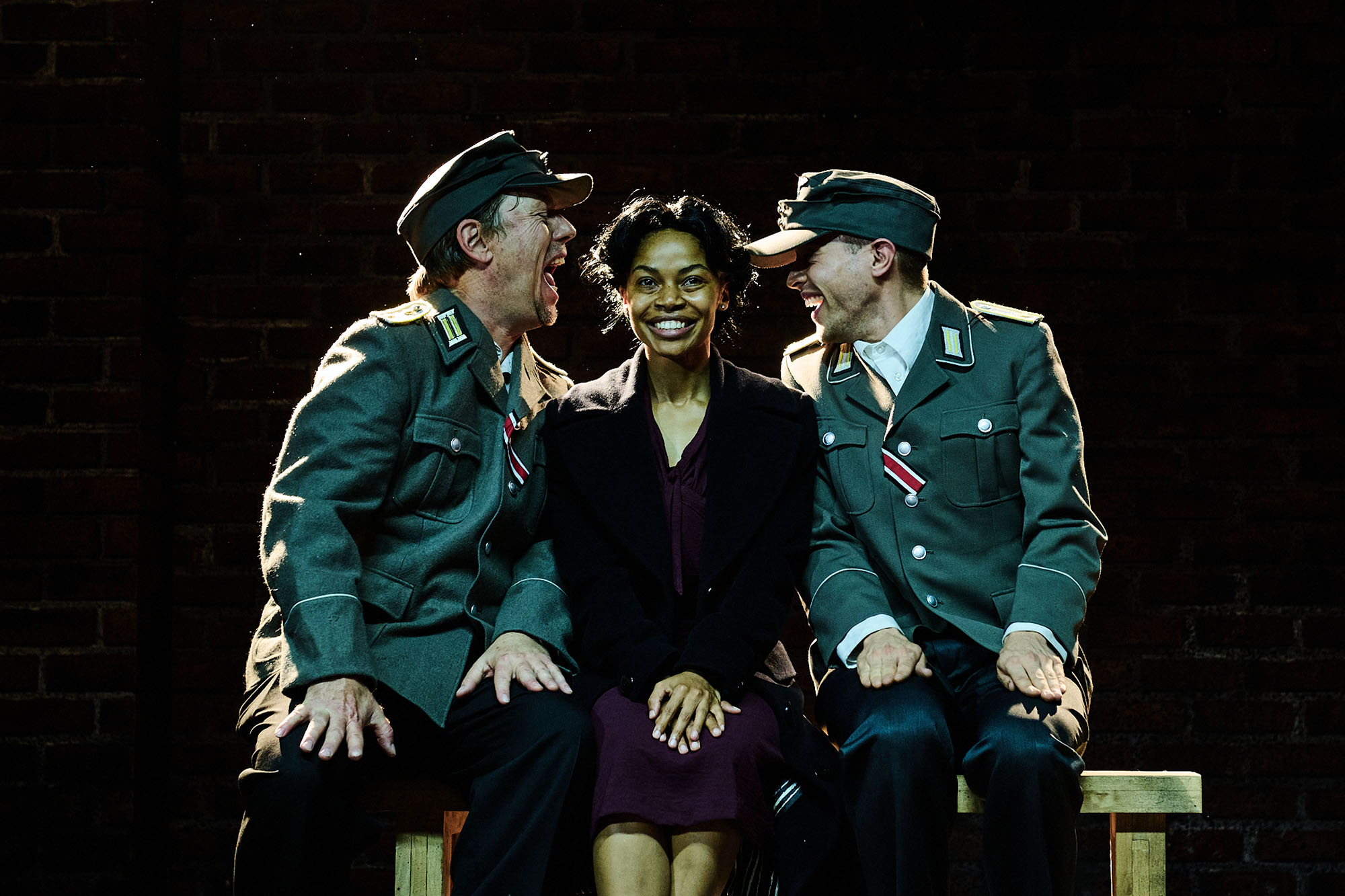
Dr Halina, meanwhile, coaches her daughter on Christian hymns and scripture. Nazi soldiers march up and down in search of Jews, venturing among the audience with threatening effect.
Dr Halina is given a chance to escape. In every direction, the choices are grim: to remain and die in medical service to her community, or to attempt to flee, a path that may also end in failure and death, but death among strangers. Elsewhere, a married couple take poison as the SS moves in to arrest them.
There is something vivid and moving about this performance.
What makes Nobody Told Me worth watching is not just its conformity to the dramatic principles of good theatre, although this is effective: the narrative plot is clear, characters are authentic and well developed, staging is vivid and visceral. What makes it a great play is that it connects to the audience in a personal way. These dreadful events are real, they happened, and there are people in the room who experienced them.
Throughout its history, South Africa has served as a place of refuge for people fleeing horrific conflict, from Poland to Rwanda, carrying those histories with them. Theatre, as a form of catharsis, can give voice to the past and create space for reflection and healing. In this regard, the play has served its purpose. Dark chapters in human history reveal human character, noble courage and deep depravity passes as the Devil comes to Earth to mock God.
Perhaps most compelling about this play is that its author, Albinski, with little previous experience as a playwright, and a successful professional career elsewhere, is seemingly operating out of sense of duty in writing and producing it, to ensure that memory is not lost, that homage is paid to his courageous grandmother, Dr Halina, that justice is achieved through honouring memory. DM
Nobody Told Me is written by Luc Albinski, staged by Bulgarian director Ilina Perianova and performed by an all-South African cast. Although the current run until 7 February at Theatre on the Square is sold out online, the play will be running in Cape Town from 17 August with plans to return to Johannesburg in early 2027.
— Bruce Dennill Theatre Interview: Aimèe Mica Komorowsky
Nobody Told Me, at the Theatre On The Square, is a new play by Luc Albinski, is a tribute to the noble deeds of his mother. During World War II, she fought to save lives in the Warsaw Ghetto. While this doctor-mother fights to save lives in the Warsaw Ghetto, her daughter fights to stay by her side and friends argue over faith, duty and survival. Love, betrayal, humour and horror are in the same room. Nobody Told Me is directed by Ilina Perianov from Bulgaria, and has a unique style combining post-Brechtian conventions and physical theatre to tell its story. The set is designed by Wilhelm Disbergen, with choreography by Vicky Friedman and music composed by Jeanne Zaidel-Rudoph.
Aimèe Mica Komorowsky discusses her work in the play.
In the lead-up to a new production, how do you prepare – physically, mentally and emotionally?
I prepare my body as my primary instrument. People often underestimate how physically demanding performance is – not because it’s athletic in a conventional sense, but because we ask our bodies to function in ways that everyday life does not require. We hold tension for long periods and repeat gestures night after night. Our emotion is stored in our nervous system, voice and bones. It’s almost unnatural: we sacrifice our bodies to be vessels to tell stories, because it is our passion. But in this, we push the body beyond what is commonly understood. So I stretch, strengthen, build stamina and pay close attention to health and nourishment. In terms of portraying a character, I begin shaping the physical life of the character – how she stands, where she holds weight and how she moves through space. Where does she carry her different emotions? I mould the body like clay until it no longer feels like mine. Mental preparation is the most fragile part for me. I try to reduce stress and noise, though I don’t always succeed. The real work is entering the character’s mind – understanding how she thinks, how her thoughts loop or fracture and what her internal logic is. I study her patterns, her contradictions and the way her brain protects her or betrays her. Sometimes I let myself sink so deeply into her that I try to dream as she would. One exercise I like to do is to fall asleep carrying her thoughts, her fears and her logic, just to see what surfaces. And then, just as importantly, I have to learn how to step back out again, to leave her mind and return safely to my own. This is where everything begins. I don’t only build the emotional arc of the show; I build the emotional life of the character. Back story. A life before the pages of the script. I imagine her being born, who she was as a child, what shaped her, where she learned to survive… I track her emotional shifts, her beating heart and the subtle changes that happen between scenes. What is not in the text. I colour in the details. I look for what I, as Aimèe, share with her emotionally, and where we differ. That tension between identification and distance is where the work becomes alive for me.
What is the single most influential performance you’ve ever seen – the one that made you feel: “This is what I want to do with my life!”?
I don’t think there’s just one. Many have influenced me since the beginning of my career. This industry has a way of breaking your heart over and over again. There have been many moments where I’ve felt exhausted and disillusioned, ready to walk away. And then I see a performance that tells the truth. That truth without decoration, without protection. That kind of truth reminds me why I chose this life in the first place. It’s not about inspiration; it’s about recognition. And there are many that stir and ignite me at different moments of insecurity. The most recent performance that did this for me was Kate Winslet in Lee. It reached something raw and necessary and pulled me back to myself.
What is your favourite aspect of the industry – be it specific people, parts of the production process, particular venues/locations or something else?
The process, always the process. I love what gets uncovered in the room when time, trust and curiosity are allowed to exist. The discoveries you can’t plan for. The moments that come from trying, failing, listening, and trying again. Working with other actors is at the centre of that for me. Acting lives in response, in being changed by what someone else offers. I learn constantly from the people I work with: from their instincts, their discipline and the risks they’re willing to take. When actors are generous with one another, something larger than any single performance begins to form. That shared discovery is what keeps the work alive.
What is an aspect of the industry that you feel could be improved (even if that’s only an idealistic wish)?
Besides the lack of funding and focus on the importance of theatre in everyday society, I wish the industry were less insular and less possessive. It can be small, clingy and resistant to change. I believe work thrives when there’s openness – when new voices, collaborations and risks are genuinely welcomed. Then maybe we can create an environment to attract a larger and/or newer/younger audience and expose the incredible experiences that theatre provides.
What has been your scariest onstage/on set moment so far (anything from forgetting words or cues to accidents or other unforeseen events)?
During Sarajevo, a show I just finished performing, there was a moment where Ivan, one of my actors, was delivering a monologue and suddenly broke down completely. He couldn’t stop crying. Time felt suspended. I didn’t know what the “correct” theatrical response was – there was only instinct. I stood up and went to him. To comfort him, That unscripted moment, born out of uncertainty and care, ended up being one of the most truthful moments in the piece. We kept it in the show because it reminded us why live theatre matters, because anything can happen and sometimes the most frightening moments are also the most beautiful. I would be remiss not to mention a performance in Cape Town that had me in a blind panic but also fundamentally shifted my relationship to theatre. We were performing Sarajevo during loadshedding, on a night that coincided with a memorial for Srebrenica [a town in Bosnia and Herzegovina where 8,000 Bosniak men and boys were killed in 1995]. The power went out for the majority of the show. All we had at our disposal were candles from the memorial and the torches we use. Large sections of the show were performed in candlelight and by the light of torches. There was no electricity, only what existed inside the world of the story. I was terrified the audience wouldn’t see us. We were all panicking , thinking this is the worst show ever – we were certain that people would walk out. At moments we wondered whether to stop the performance. Then at some point the space transformed. It felt like war. We felt it. And the audience did too. Even though our prime concern was that they couldn’t see us, instead, they listened more; felt more. They leaned forward. They smelled the matches. Every other sense was heightened. If they wanted to see, they had to actively look. And the work deepened. It wasn’t just about being seen. Because of that performance, because the only light came from within the story, and because it worked, I made a decision. I chose to never use conventional theatre lighting again. From that point on, all light would belong to the world of the play itself. What began as panic in the dark became a permanent artistic choice.
Tell us about your current production, and what makes your character interesting to play?
Nobody Told Me is a play about the brave souls who saved the lives of Jewish people in the Warsaw Ghetto. It’s a story of courage, duty and choices. Through Halina, a mother and a physician, the play explores devotion, delirium, laughter and gunfire beneath the shadow of barbed wire. It’s a haunting, beautiful work for audiences who love serious, powerful theatre. This story is deeply personal to me. Halina’s child Wanda, a Holocaust survivor, and Luc, her son and the playwright, are very close friends. Performing this work feels less like an “interpretation” and more like remembrance. It carries weight. I play the role of Ela – a difficult character to hold. She is misunderstood, overlooked and often disregarded by those closest to her. She becomes almost ghost-like. Present but unseen. She carries deep trauma from the ghetto, where she worked in a hospital posing as a doctor. She is a morphine addict and desperately in love with Stefan , her boyfriend. Ela is bruised, fragmented, and deeply human. She doesn’t wear her strength loudly, but she survives in her own way. Playing her means sitting inside contradiction, damage and resilience, longing and defiance, and allowing all of it to exist at once. She does not choose to exist, she chooses to live. And that decision, stripped of hope or heroism, is its own form of bravery.
— Barry Morisse, entrepreneur, ethicist, writer and speaker
It’s difficult not to feel some exhaustion when you bear witness to history’s darkest chapters. It’s not the comfortable fatigue of a satisfying evening at the theatre, but something rawer, a weariness that settles in the chest and refuses easy consolation. Nobody Told Me, Luc Albinski’s deeply personal debut as a playwright, understands this exhaustion intimately.
The production, which is running at Theatre on the Square, grapples with inherited trauma, buried identity, and the impossible moral terrain of the Warsaw Ghetto’s medical community during the Holocaust. It’s an ambitious undertaking, made all the more remarkable by the fact that this isn’t merely historical drama, it’s Albinski’s own grandmother’s story, told through the lens of his mother Wanda’s childhood memories and his own belated discovery of his Jewish heritage.
What strikes you first about this production is its physical vitality. Director Ilina Perianova has assembled a substantial cast that moves with purposeful energy across a minimalistic set, breaking the usual boundaries between stage and audience. Bodies become furniture, walls, trains. The actors remain visible throughout, morphing between roles in a style where the act of remembering is itself a constructed, communal event. There’s something profoundly right about this approach for a story so concerned with what we choose to show and what we choose to hide.
The stagecraft deserves particular mention. In an era when many productions rely on technological spectacle, there’s real invention here in how human bodies create the world of 1930s and 1940s Warsaw. Vicky Friedman’s choreography gives physical form to emotional and historical chaos, whilst Gwendi Botha-Gourley’s period costumes ground us in specific time and place. These choices are essential to how the production communicates the disorientation of living through catastrophe.
The performances also carry considerable weight. This is emotionally demanding material, asking actors to inhabit people facing choices for which there are no good answers, and the ensemble rises to meet that challenge with commitment and sincerity. There’s a rawness to the work that feels earned rather than performed, particularly in the portrayal of Dr Halina Rotstein, the Jewish physician who chose to board the train to Treblinka alongside her patients rather than abandon them.
Yet for all its strengths, Nobody Told Me sometimes struggles under the weight of its own seriousness. The production maintains such a consistently intense pitch that it begins to work against itself. Horror, when unrelieved, can paradoxically become numbing. The play might have benefitted from what the Ghetto’s inhabitants must have desperately sought: small moments of respite and fragments of ordinary human connection that make the extraordinary suffering more rather than less powerful.
This isn’t to suggest the material requires comic relief or false lightness. Rather, it’s a question of dramatic architecture. The most devastating moments in theatre often gain their power from contrast; from the brief illusion of safety before it’s shattered, from the ordinary gesture that reminds us what’s at stake. Without variation in emotional temperature, even the most harrowing revelations can lose their capacity to shock us into attention.
The narrative structure itself mirrors the chaos it depicts. That confusion and fragmentation are appropriate responses to trauma, and the audience’s disorientation reflects the characters’ own desperate uncertainty. What holds it all together though is a wonderful musical score from Jeanne Zaidel-Rudolph‘s which offers a kind of emotional foundation that helps orient us when the narrative threatens to overwhelm. The music doesn’t explain or comment; it simply holds space, creating a sonic landscape within which this difficult history can be examined.
What redeems any reservations about pacing or structure is the fundamental importance of what Nobody Told Me attempts to do. We live in a moment when the language of “us versus them” has resurged with alarming force, when tribal identities are weaponised, when some lives are deemed to matter less than others. Albinski’s play arrives as a necessary reminder of where such thinking leads when left unchecked.
The production’s central concern (what we inherit, what we hide, and how untold stories continue to shape the present) resonates far beyond its historical setting. In making visible the private, emotional landscape behind public atrocity, the work asks us to remember not just that the Holocaust happened, but that it happened to individuals with families, professions, friendships, daily routines. Dr Halina Rotstein wasn’t a statistic; she was a doctor, a mother of four, and a woman who maintained her commitment to healing even when the world around her had abandoned all pretence of humanity.
Nobody Told Me is not an easy evening at the theatre. It makes demands of its audience that some may find challenging. But perhaps that’s precisely the point. We live in comfortable times, at least for those of us privileged enough to spend evenings at the theatre. We can choose to look away from historical horror, to maintain our equilibrium, to avoid exhaustion. The people whose stories Albinski tells had no such luxury.
The production reminds us that theatre, at its best, isn’t merely entertainment. It’s a space where communities gather to reckon with truths too large for individual contemplation, where inherited silence can finally be spoken aloud, where the act of remembering becomes a moral imperative. In that sense, Nobody Told Me succeeds at something more important than crafting a perfectly balanced drama. It creates space for necessary conversation about what we owe the dead, what we owe each other, and what we risk when we allow history to become comfortably distant.
One leaves the theatre tired, yes — but perhaps that tiredness is itself a kind of tribute, a small portion of the exhaustion carried by those who lived through these events. If we cannot bear to sit through two hours of discomfort, how can we presume to understand what they endured? This is theatre that refuses to comfort, and in our current moment, that refusal may be exactly what we need.
— Samantha Nupin
Imagine discovering that something fundamental to your identity is not true.
Imagine the world as you know it collapsing in an instant.
How do you begin to process this truth especially when it was withheld for the best possible reason? Once you know, do you carry on as before… or do you tell the story?
NOBODY TOLD ME is that story. It’s Luc Albinski’s story.
Harrowing and deeply emotional, yet at its heart, a love story:
A love story between a woman and her country.
Between a mother and her daughter, and one that carries forward into the next generation between a mother and her son.
A group of doctors who studied together navigate love, idealism, shattered loyalties and impossible moral choices – meeting once a year at Café Sztuka to touch base. What unfolds is the private, emotional landscape behind the public record: whispered phone calls across the Warsaw ghetto wall, the fragile sense of normality a mother tries to create for her daughter and the ethical battles of doctors forced to choose between patients, family and conscience. Impossible choices.
We witness the consequences:
Halina, who chooses to stay.
Ela, who turns to morphine to numb the pain and guilt.
Stefan, aching for Halina’s love but loving Ela too.
Fiszel, standing on principle.
Andrzej, clinging to practicality.
Maria, fighting for small victories.
And little Wanda; confused, abandoned, heartbroken, loved by many and ultimately decisive.
All paying the price….
What happens around them is peripheral to the core.
This is a story about identity, love, and the cost of “not telling”.
NOBODY TOLD ME is an intensely moving and important work. The ripples of its history are still felt almost a century later – a haunting reminder of how easily humanity repeats its mistakes. Sadly, so heavy and relevant today.
Don’t miss this outstanding new play, written by Luc Albinski, who tells his own story alongside that of his grandmother, Dr Halina Rotstein, and his mother, Wanda. It is a story nobody has told, until now.
Casting Director Mvelisa Mvandaba has outdone herself with an exceptional cast. Liezl de Kock’s Halina is determined, principled and deeply torn. Aimèe Mica Komorowsky brings raw honesty and quiet devastation to Ela. Khuthadzo Ndou is pure and steadfast as Fiszel, while Jade Scheepers delivers an astonishingly truthful performance as Little Wanda. Mamodibe Ramodibe is emotionally spent and compelling as Maria, Damon Berry achingly lost as Andrzej, and André Lötter brings warmth and vulnerability to Stefan. Dihan Keun, Ngwedi Ramphele and Andile Mgeyi are superb in their multiple roles, shifting seamlessly from hospital patients to Nazi soldiers.
The music by Jeanne Zaidel-Rudolph, alongside the physical theatre and choreography by Vicky Friedman, creates a textured emotional landscape. Wilhelm Disbergen’s set design and Gwendi Botha-Gourley’s costumes form a rich, evocative stage-scape, brought together with precision by Stage Manager Erin Blieden who has no small task given the complexity of the work and the multiple locations portrayed.
Beautifully directed by Ilina Perianova, with Assistant Director Renos Nicos Spanoudes, this production is the result of a deeply collaborative and sensitive creative team.
Luc Albinski has entrusted this profoundly personal story to a group of strangers who, through the telling of it, have clearly become as close as family.
Go and see it!
— Sandton Chronicle – Nobody Told Me sells out at Theatre on the Square
The Theatre on the Square was filled to capacity on the evening of January 29, bringing together hundreds of theatre lovers for the Nobody Told Me opening night. Every seat was taken with additional chairs placed along the walkways to accommodate the demand.
Written by Luc Albinski during the Covid-19 pandemic and directed by Ilina Perianova, Albinski said the show was inspired by the story of his grandmother, a Jewish doctor, and her decision to stay in the ghetto and go to her death with her patients.
The show takes the audience into the world of Dr Halina Rotstein, a Jewish doctor at the Warsaw Ghetto’s Czyste Hospital, and the childhood memories of her daughter, Wanda. Told through the eyes of Wanda, and her grandson, Albinski, the play moves between present-day conversation and the world of 1930s to 1940s Warsaw, where a circle of young doctors, known as Halina’s Talmidim, navigate love, idealism, shattered loyalties, and impossible choices.
“I had studied economics, finance, and politics,” Albinski said of his roundabout route to writing the play. “I hadn’t studied drama or literature, so it took me many, many versions of the play. I think I went to about 85 or 86 versions and I had lots of good advice along the way.
Seeing a full house on opening night was very surprising for the writer. “I was very nervous, when I decided to bring the show to Theatre on the Square. My friends and I prayed for at least 50 [tickets to be sold], but to know that virtually every single show has been sold out all the way through to February 7 is pretty amazing.”
— Jewish Report – Wrenching drama brings family’s Holocaust memory to stage
Writing about family is never simple, especially when the story spans generations. For Luc Albinski, bringing his mother and grandmother’s lives to the stage was both a creative challenge and a deeply personal act.
Nobody Told Me, running at Theatre on the Square from 28 January to 7 February, tells the story of Albinski’s mother, Wanda Helena Albińska, and his grandmother, Dr Halina Rotstein, in a fictionalised account of Rotstein’s extraordinary effort to save thousands of lives, including her own daughter’s, in the Warsaw Ghetto.
The play follows conversations between Wanda, now in her eighties, and her son, Luc, as he gently presses her to confront a family history she has kept hidden for decades. As they talk, fragments of Wanda’s childhood surface, carrying the audience back to 1930s-1940s Warsaw and to her mother, Dr Halina Rotstein, a Jewish physician working at the Czyste Hospital inside the Warsaw Ghetto.
Fiercely principled and often difficult, Halina’s uncompromising devotion to medicine set her apart, a trait that earned her near-legendary status among her university peers, who called themselves “Halina’s talmidim”. Through their yearly gatherings at Café Sztuka, the play charts Poland’s shift from interwar optimism to occupation and loss, as the group confronts impossible choices inside the ghetto: patients they cannot save, lines they cannot cross, and the daily struggle to remain humane.
Though the story centres on Halina, it also weaves in real and fictional figures from her life and the wider wartime world, including her first husband, Stefan, her daughter, Wanda, resistance members such as Dr Andrzej Trojanowski, who took in Wanda after getting smuggled out of the ghetto, and Maria Steckiewicz, the courageous director of a Jewish orphanage.
Albinski said that though he had made a documentary and written a book detailing his grandmother’s story, during the COVID-19 pandemic, he became inspired to tell the story of his grandmother in a more emotive, fictionalised way since everyone was stuck at home and he felt that that story needed to reach a wider audience.
He felt ill equipped to write a play, as he had never studied drama and mainly operated in the business world. However, along the way, he received loads of advice from Stephen Brown, a playwright in the United Kingdom; South African playwright Liz Morrison; as well as his own mother.
“Every time I wrote a draft, I got my mom to read it as well,” he said, “I was always a little concerned that maybe I was striking some false notes and not really doing her story justice or misreading things because it was obviously 80 years ago since it all happened and I’m far removed from the realities of wartime. So I always checked back with her and asked her what she thought of the play.”
He said the initial draft of the play was actually more like a TV mini-series than a play because it had 20 different characters and lots of subplots, and the script was completely unmanageable.
“And then, you know, 85 versions later, it was kind of bashed into shape. It was quite a painful process – killing off a whole bunch of much beloved characters to make it something that was more manageable,” he said.
Once the final draft was completed, he searched high and low to find a director who could bring it to life.
“Some of the difficulty was my own kind of sprawling, unmanageably long, and complicated script that put a lot of people off,” Albinski said. “But I also think in the current context, particularly while the Gaza war was raging, to be staging a Jewish Holocaust play didn’t feel like a crowd pleaser.”
He engaged with many directors from South Africa and Poland, and finally found Ilina Perianova, a Bulgarian director, screenwriter, and actress who also has Jewish origins.
“Her grandparents are Jewish, and she was keen to take it on,” he said. “She loved the story. It spoke to her own Jewish history, which is also remarkable. Both her grandparents were in the Soviet army. Her grandfather actually has two knives taken from the bodies of the SS men he killed. So she wanted to engage with the material – very courageous – and obviously helped me shape it into the script it is today.”
For Albinski, the hardest part of writing the play was writing the scene where Halina has to say goodbye to young Wanda before she is smuggled out of the ghetto, which also serves as one of the emotional anchors of the play.
“It was difficult writing the goodbye scene between my grandmother and mom, that was a very difficult scene to imagine. It’s emotionally wrenching stuff,” he said.
Watching the play come to life has been especially emotional for Albinski. “Seeing my personal story embodied by talented actors and transformed through directing, choreography, music, and design, has been moving and wondrous, taking the work far beyond anything I imagined on writing it,” he said.
Reflecting on the central theme of the play, he said, “It’s a meditation on duty, how people define it, the promises they make, and the sacrifices they are willing to endure. Halina’s unwavering duty to her patients comes into conflict with her responsibility to her family, while figures like Andrzej Trojanowski risk their own lives and those of their families to honour promises made to save Jewish children. Under extraordinary circumstances, the play shows how duty can shape and fracture lives.”
— Jewish Report – Holocaust play is close to home for European director
When second-generation Holocaust survivor Luc Albinski approached Belgian director Ilina Perianova to direct the play he wrote about his family’s experience, she jumped at the chance because she felt personally connected to the history the play deals with.
Albinski, who wrote the play, approached Perianova, a Bulgarian film and theatre director, screenwriter, and actress, a year ago in Bulgaria to help him adapt his script of Nobody Told Me, which is about his mother and grandmother, into a theatrical production.
With deep roots in a family shaped by Holocaust survival, Perianova’s involvement adds a powerful personal dimension to the production, underscoring the play’s exploration of memory, silence, and inherited trauma across generations.
She said she was initially drawn to the material because of her own family history. Her grandmother, Jevgenia Nogina, was a Jewish doctor during the Holocaust.
“When I first read the play last year, I was deeply moved because I thought about my grandmother Jevgenia Nogina, my grandfather, Vasiliy, and all those unsung heroes of World War II like her. I grew up with my grandmother’s stories from the frontline, and they were absolutely terrifying,” she told the SA Jewish Report.
Nogina came from Ukraine, and her whole family was killed in the Holocaust while she was studying medicine in Kazakhstan.
“She was a doctor during World War II, and actively involved in fighting the Nazis,” said Perianova, “It was during the war, on the front, that she met my grandfather, who was Russian. He was one of the highest-ranking officers in the army, holding a rank such as lieutenant or captain, and was highly decorated for his service. He received the Suvorov Medal, one of Russia’s most prestigious military honours and among the highest awards to come out of the war.”
So, when she saw that the play revolved around a group of mostly Jewish doctors in and around the Warsaw Ghetto, she saw her grandmother in these characters.
“When Luc gave me the script, and I read that it was about a group of doctors, I believed it didn’t just come to me by chance or coincidence, it was divine providence. It felt really close to home,” she said.
“I will always remember my grandmother as a strong and compassionate woman, a doctor who had lost all her closest relatives, who had stomach ulcers because of hunger during war, who had seen far too much death and escaped its clutches. At family gatherings, she would toast again and again with only one sentence, ‘May there never be war! May there never be war again!’”
Perianova connected with the material on another level. While growing up in Soviet Russia, she had little to no knowledge of Jewish traditions.
“My mom grew up in Russia, where there was so much denial of religion. We grew up with zero knowledge of what being Jewish means. I was lucky because later, I met a lot of Jewish communities in Bulgaria, and started to learn about Jewish traditions and things, but it didn’t come from my mom.”
She said when her mother was growing up, she and her family still had to keep their religion secret, as hatred for Jews never went away. “My grandmother knew she had to hide being Jewish even after the Holocaust. Stalin hated Jews as well. This was made more complicated by the fact that she was head doctor in the hospital in the Soviet Union. Because she was Jewish, she had so many problems.”
Bringing this play to life has been cathartic for Perianova, and other members of the creative team, as she has been able to connect to her ancestors.
“I took it as a healing journey, that was my main intention,” she said. “I told [members of] the team that what I want for them is a path to their own healing because as you know, especially in South Africa, there is a lot of ancestral trauma in aspects like apartheid and healing the trauma of our ancestors.”
She said that through collaboration with choreographer Vicky Friedman, she was able to build the play into the piece of theatre it is. “Because of our shared historical trauma, we bonded deeply and found ourselves driven by the same urgency to tell the stories of our ancestors. That connection shaped the way we worked together, and ultimately gave rise to the strong physical language of the play. Much of its movement, rhythm, and storytelling grew directly out of our own experiences, allowing the story to be told from a deeply personal place while still resonating on a universal level.”
Even though it has been a cathartic experience bringing this story to life, Perianova said she felt a sense of pressure because of the heavy subject matter.
“It’s a heavy project with so much trauma, pain, and mass murder. It hits close to home,” she said. “I’ve had two weeks when I couldn’t sleep. I broke down in the last two weeks before we premiered. It wasn’t just the anxiety of coming out with the show. It was more than that. When we started putting the show together, I saw what we had created, and there was this deep pain that I can’t even describe. It’s a universal pain. It’s so enveloping, and so beyond you. It’s been a hard process. It’s been emotionally and physically draining.”
However, the anxiety diminished as soon as the curtain went up at Theatre on the Square on 28 January. Said Perianova, “It was an honour to work on this play because it was also so close to home. It was as if I was telling my family story. That’s why I joined the project.”
— Stephen Brown, Playwright
I’ve just watched the film of “Nobody Told Me”. It’s a tremendous achievement. I was deeply moved. The richness and muscularity of your storytelling and your deep understanding of that world really shone through. The Stefan-Halina-Ella triangle worked very powerfully right through the play, as did Fiszel’s death. Halina’s final decision was, as it should be, devastating. I think your director (and creative team) did a great job creating a vivid language of image, movement and sound. And I imagine that she worked with you on the cuts to the script too, which worked very well. You must have been sad to lose Dawid and Pawel, but ultimately this brought everything else into focus. Many very strong performances too. (I especially admired the actor playing Stefan.)
Many congratulations. I’m so glad that you were able to tell this story. And here’s looking forward to future possibilities.