The characters in “Nobody Told Me” embody the complex moral landscape of occupied Warsaw, each representing different responses to impossible choices.
Historical Timeline: Warsaw 1939-1945
1939
Germany invades Poland
September 1, 1939 - WWII begins
1940
Warsaw Ghetto established
November 16 - 400,000 Jews confined
1942
Deportations begin
July 22 - Mass deportations to Treblinka
1943
Ghetto Uprising
April 19 - Armed resistance begins
1944
Warsaw Uprising
August 1 - Uprising erupts. October 2 - Citywide resistance crushed
1945
Liberation
January 17 - Soviet forces enter Warsaw
Characters
PRINCIPLE CHARACTER
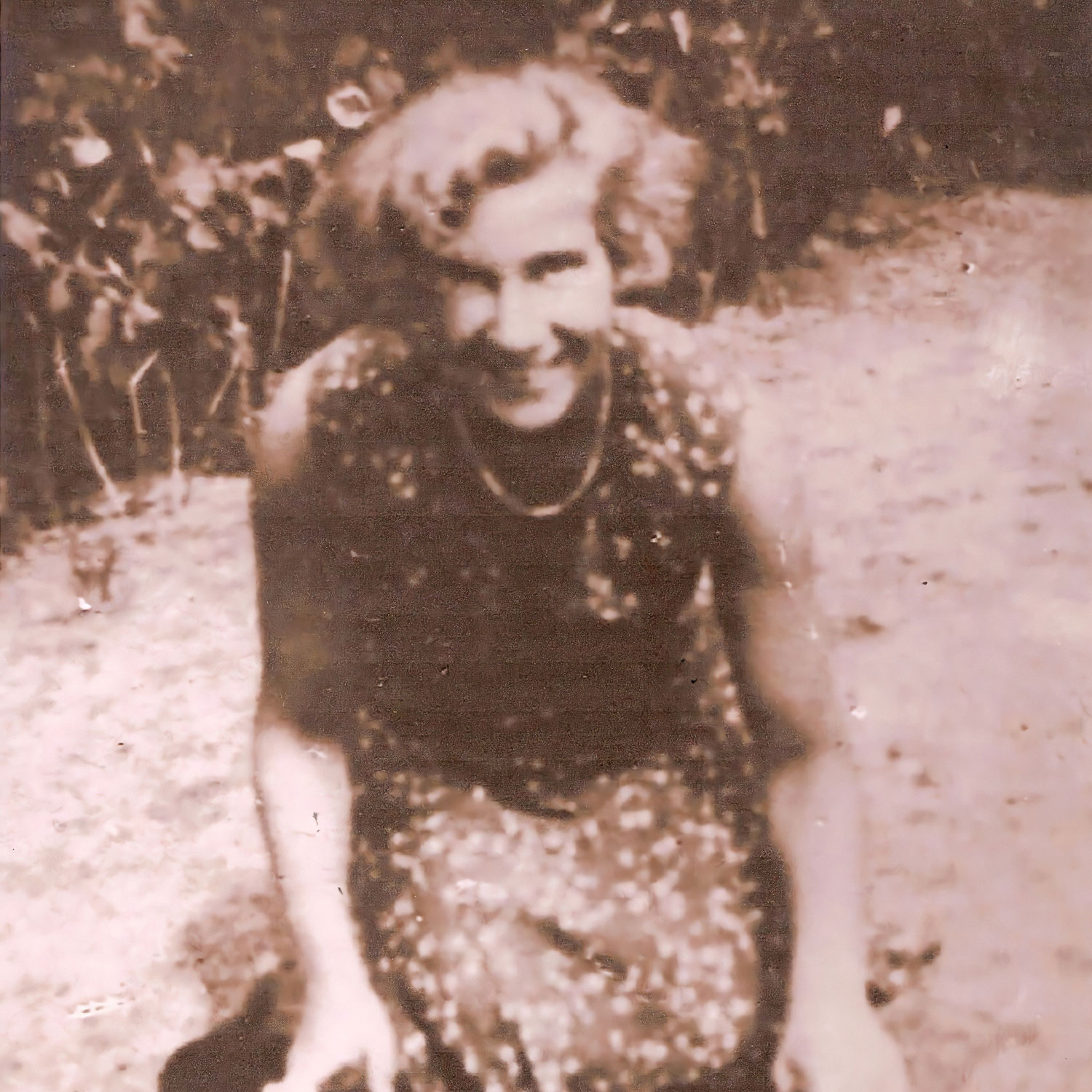
Dr Halina Szenicer-Rotstein
Halina is a lively, compassionate Polish-Jewish dermatologist from a highly assimilated middle-class family. She graduates at twenty-four and, by the time we meet her in the Warsaw Ghetto, she is thirty-six and working at the Czyste Jewish Hospital on Stawki Street.
Her four young children live with her in the hospital basement.
Halina is based on the playwright’s grandmother, whose wartime story comes from survivor testimonies. She was murdered at Treblinka on 12 September 1942.
PRINCIPLE CHARACTER
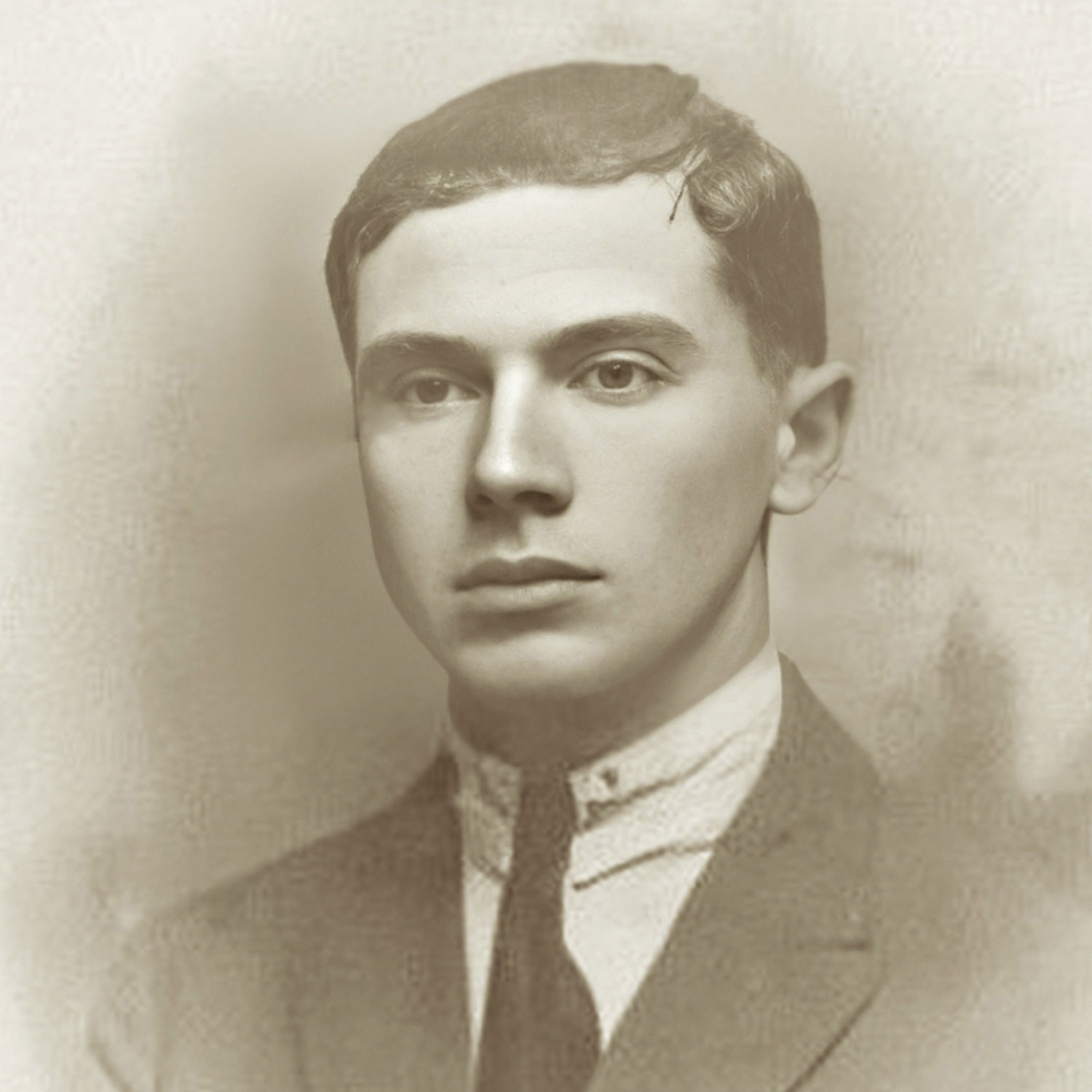
Dr Stefan Szenicer
Stefan is a charismatic, flamboyant, attention-seeking surgeon, born into a secular Polish-Jewish family. He studied philosophy before turning to medicine, and has little connection to religious life.
He marries Halina the day after graduation, though by the time of the Ghetto scenes they are divorced and working side by side at the Czyste Jewish Hospital.
Stefan is based on Dr Stanisław Szenicer, Halina’s first husband, who escaped the Ghetto.
PRINCIPLE CHARACTER
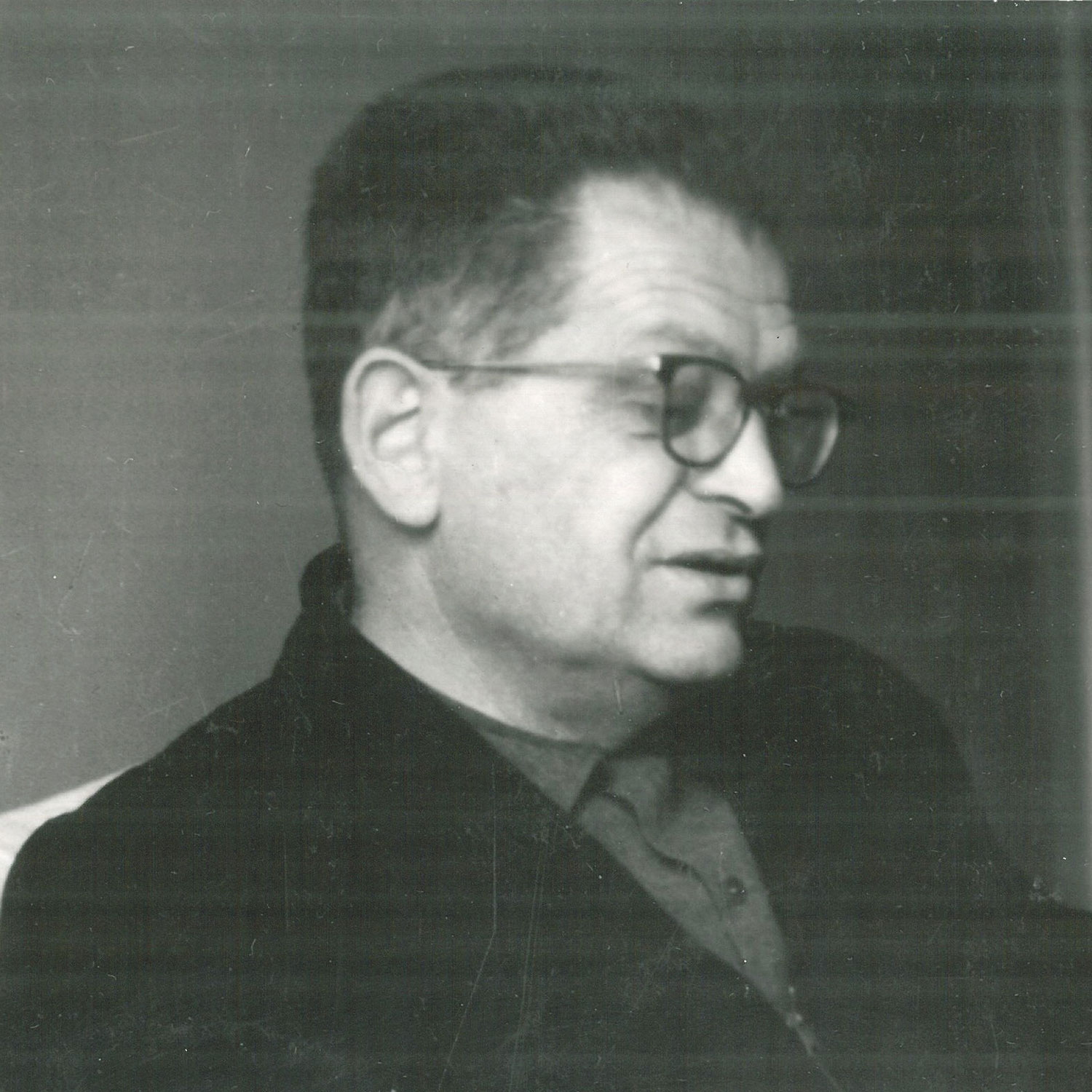
Dr Andrzej Trojanowski
A rotund, chain-smoking Polish-Catholic surgeon, Andrzej is a man of action and deep moral conviction. Though an atheist, he risks his life — and his family’s — by organising a secret network that helps Jews survive on the Aryan side.
His character is based on the real Dr Andrzej Trojanowski, Halina’s friend and colleague, later honoured as Righteous Among the Nations (1966).
PRINCIPLE CHARACTER
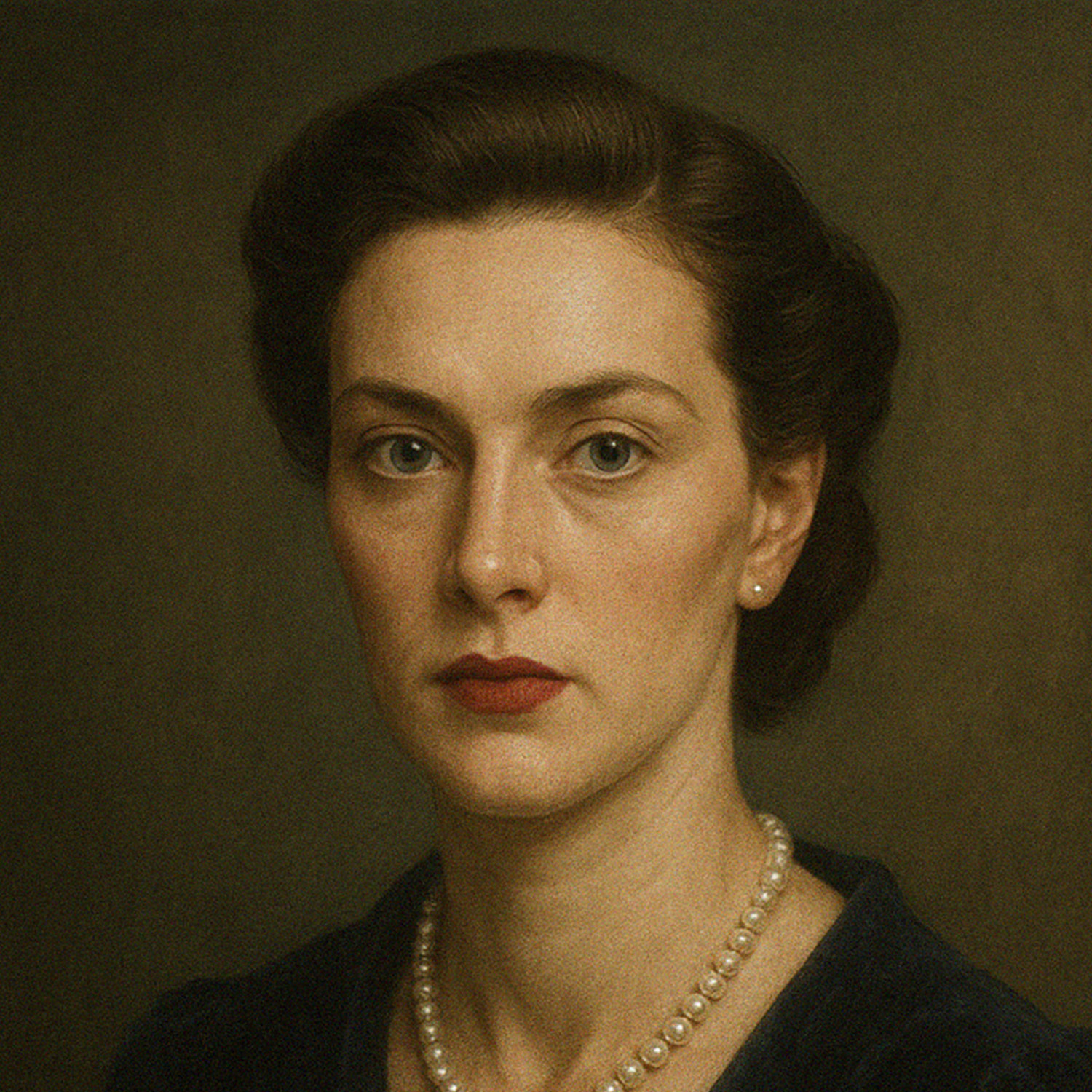
Dr Maria Stokowska ('Zuzanna')
Maria is a tall, striking aristocrat with a refined accent and a dramatic presence. After graduating, she returns to her hometown, Lwów, now under Soviet occupation, where she and her husband become entangled in an anti-Soviet plot.
Her character is loosely inspired by Maria Steckiewicz, an NKVD escapee, AK operative, and head of the Anusia Orphanage.
PRINCIPLE CHARACTER
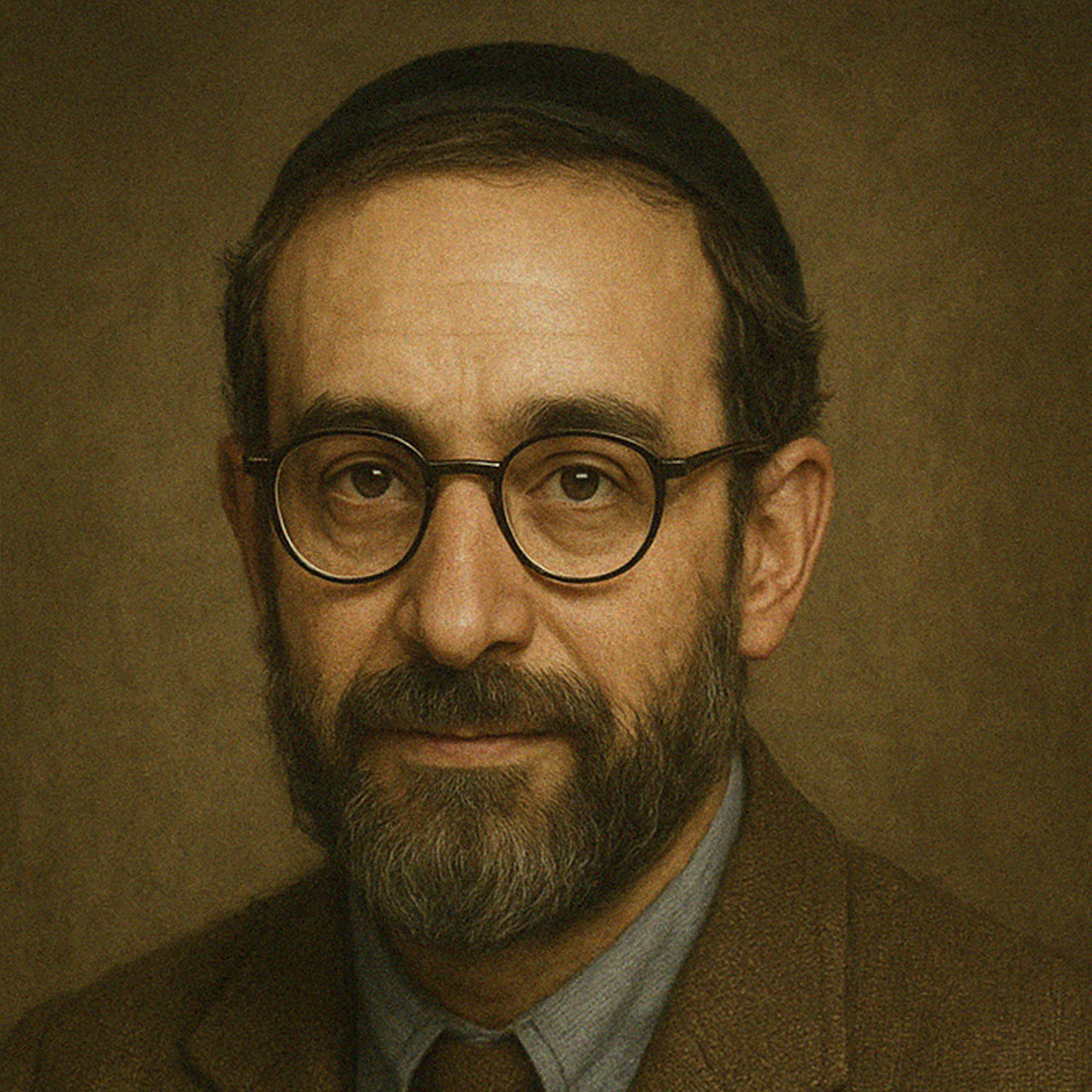
Dr Fiszel Alter
Fiszel is a short, bearded man with thick glasses and a warm, scholarly manner. He comes from a long line of esteemed Polish rabbis.
Although he chooses medicine instead of religious leadership, Judaism remains central to his identity and worldview.
SUPPORTING CHARACTER
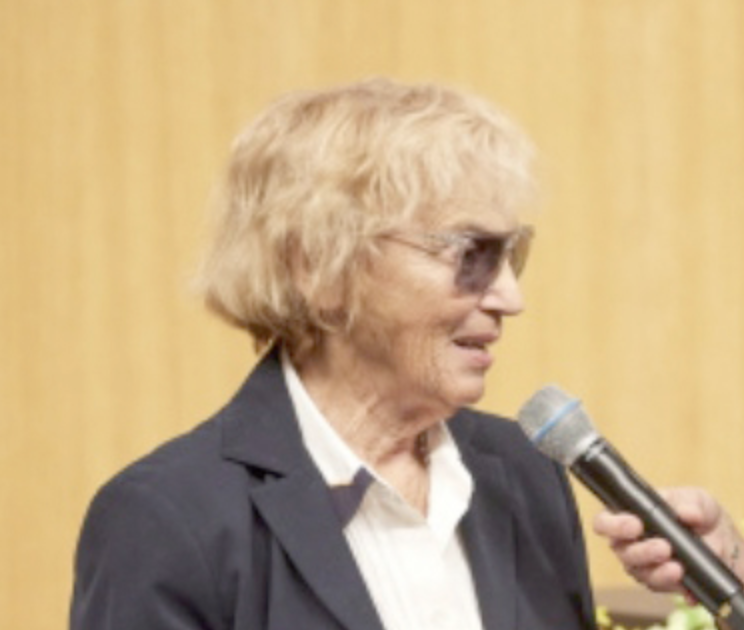
Old Wanda
Wanda Rotstein at eighty — Dr Rotstein’s only daughter and a survivor of the Holocaust. In the play, she provides memory, perspective, and continuity.
SUPPORTING CHARACTER
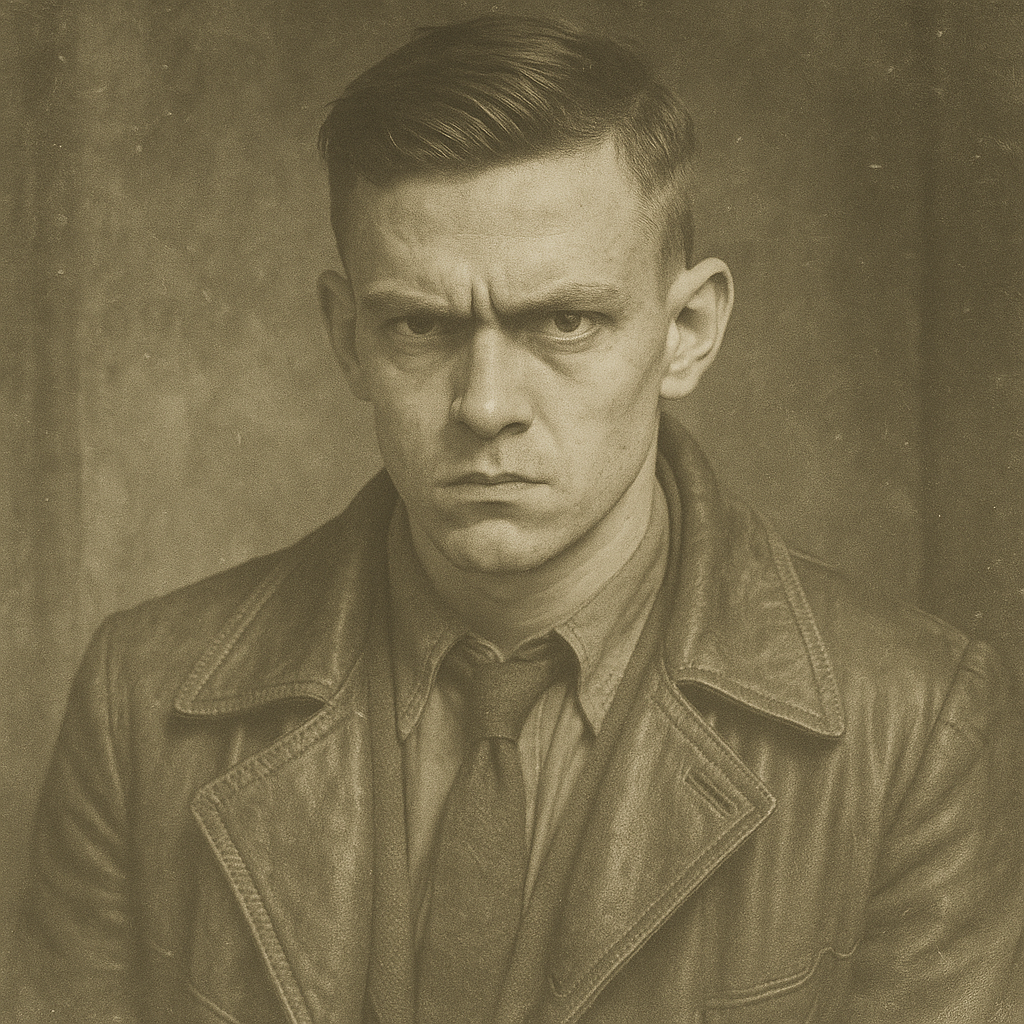
Kacper Kowalski
A nervous, fidgety teenage photographer who earns pocket money taking graduation photos at the university where his father works as a janitor.
When he reappears later, he has reinvented himself as the ruthless leader of a gang extorting Jews hiding on the Aryan side.
SUPPORTING CHARACTER
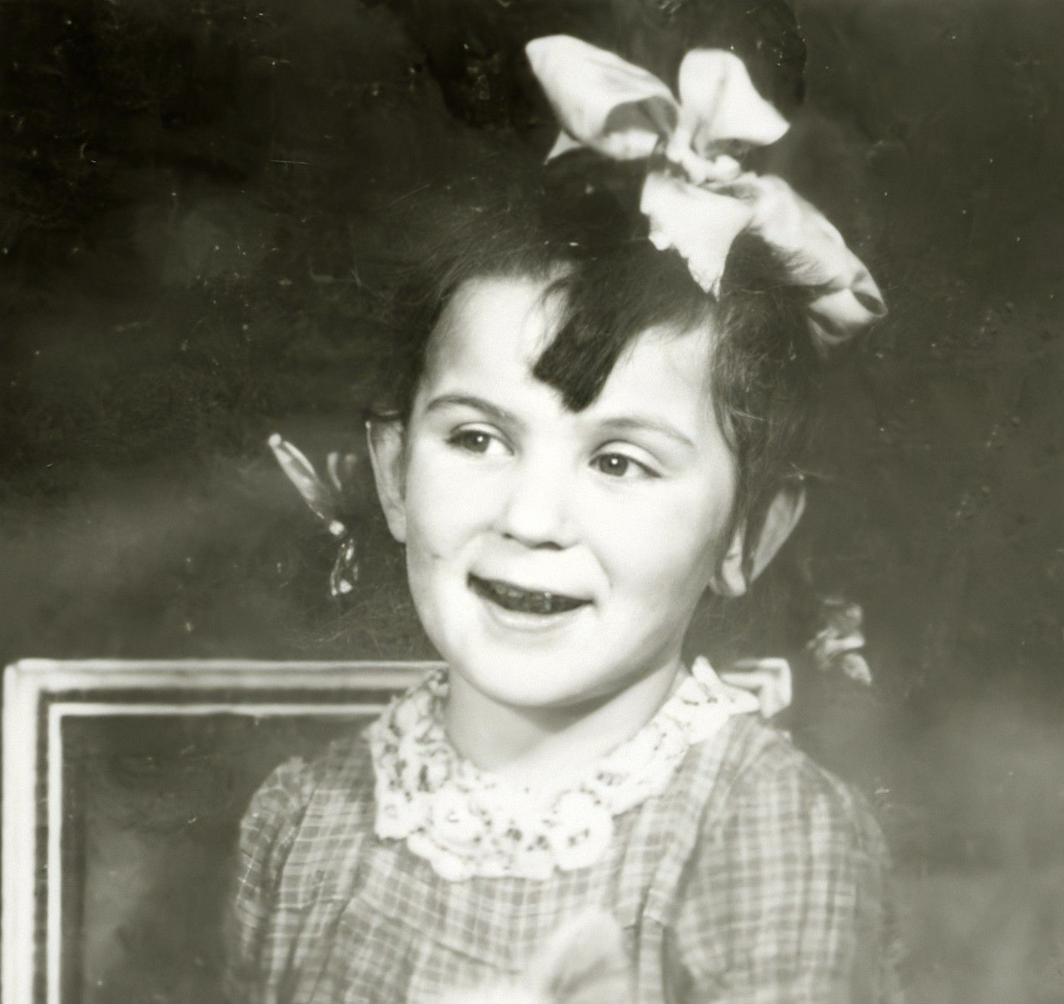
Young Wanda Rotstein
Dr Rotstein’s six-year-old daughter, living in the basement of the Czyste Jewish Hospital in the Ghetto. Terrified yet observant, she wanders the wards to visit her mother.
Her story in the play is largely biographical, drawn from the author’s mother’s real memories.